8 min read
What Is Mudjacking in Albuquerque and When Does It Still Make Sense?
Learn what mudjacking is, how it works, when it may still be useful in Albuquerque, and how it compares with polyurethane foam leveling.
Free 44-Page Homeowner Guide
Understand common causes of sinking concrete, project pricing ranges, repair versus replacement, contractor questions, and Albuquerque-specific concrete concerns.
We're here to help
Not every concrete problem requires an on-site visit.
Many questions can be answered with a quick phone call, helping you understand your options before scheduling an evaluation. Sometimes a quick conversation is all it takes to point you in the right direction.
If an on-site visit is needed, we'll help arrange it.
No pressure. No obligation. Just honest answers and the right solution for your property.
Whether you need answers, have questions, or are ready for an estimate, we're here to help. Give us a call or send us a quick message — we'd be happy to assist.
Learn how sidewalk leveling works in Albuquerque, what causes sidewalks to sink, and when leveling is better than replacement.
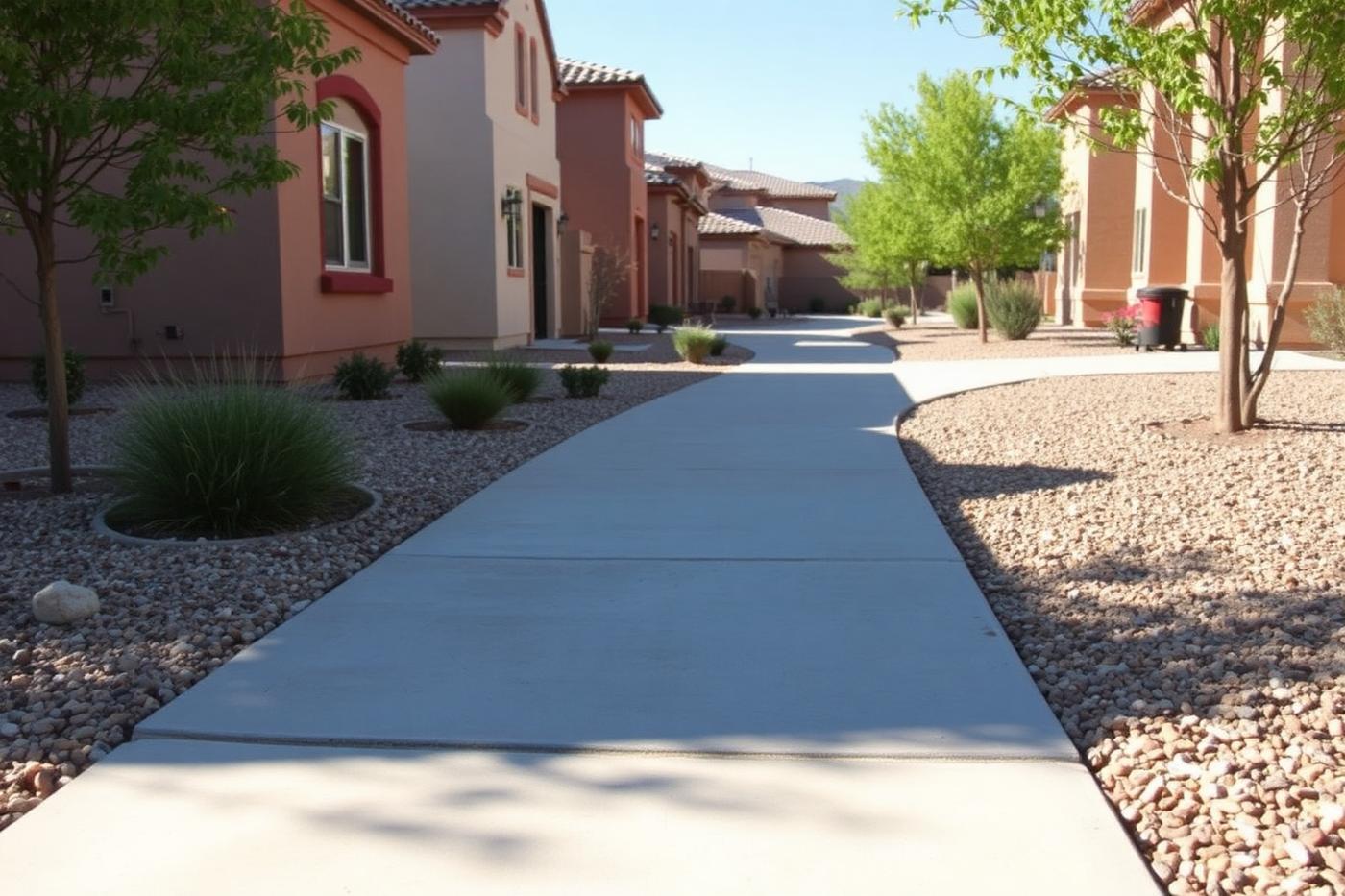
An uneven sidewalk is more than a small nuisance. It can create trip hazards, make a property look neglected, and turn a simple walkway into a safety issue. In a city like Albuquerque, where soil conditions, drainage, and weather changes all affect the ground below concrete, sidewalk settlement is a problem many property owners eventually run into.
The good news is that not every uneven sidewalk has to be torn out and replaced. In many cases, sidewalk leveling can restore the slab, improve safety, and save the concrete that is already in place.
If you have a sunken or tilted sidewalk, it helps to understand why it happened, how it can be repaired, and when replacement is the better long-term choice.
Sidewalks depend on the soil beneath them for support. When that soil shifts, washes away, settles, or shrinks, the concrete slab above it can move too.
In Albuquerque, sidewalk settlement is often tied to:
Sidewalks are usually thinner than many other concrete surfaces, so they do not have much margin for movement. Once the support below them weakens, even a small amount of settlement can create a noticeable height difference between slabs. See why concrete sinks in Albuquerque.
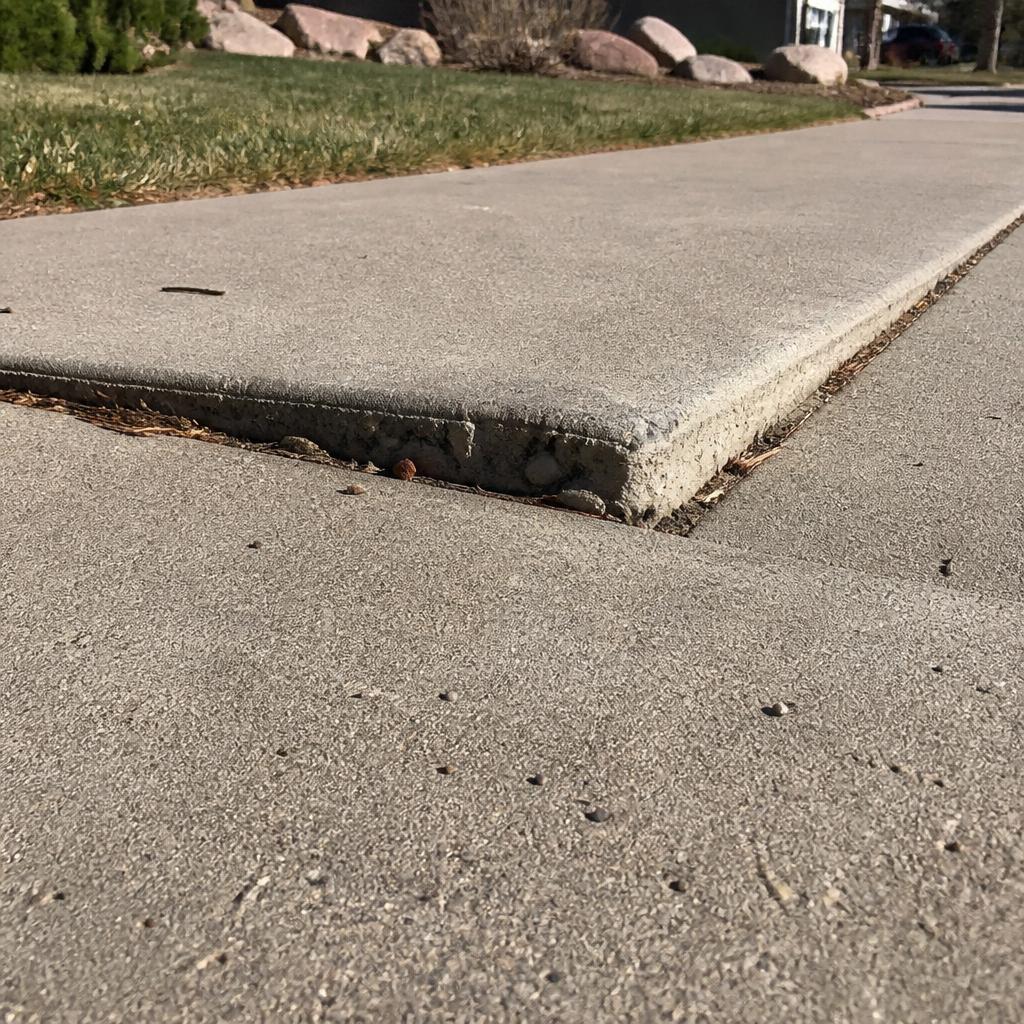
A sidewalk does not have to collapse to be a problem. In many cases, a few visible clues are enough to show that the concrete has started to move.
Watch for these warning signs:
If a sidewalk has one slab higher than another, that is often a sign that the ground underneath is no longer supporting it evenly. That can happen gradually over time or suddenly after a drainage issue or heavy moisture event.
Uneven sidewalks matter for two main reasons: safety and liability.
A raised or sunken sidewalk can:
For homeowners, this may mean a walkway that is harder to use and harder to keep looking clean. For businesses or multi-unit properties, it can become an accessibility and liability concern.
That is why sidewalk issues are worth addressing early. A small trip edge today can become a larger hazard later.
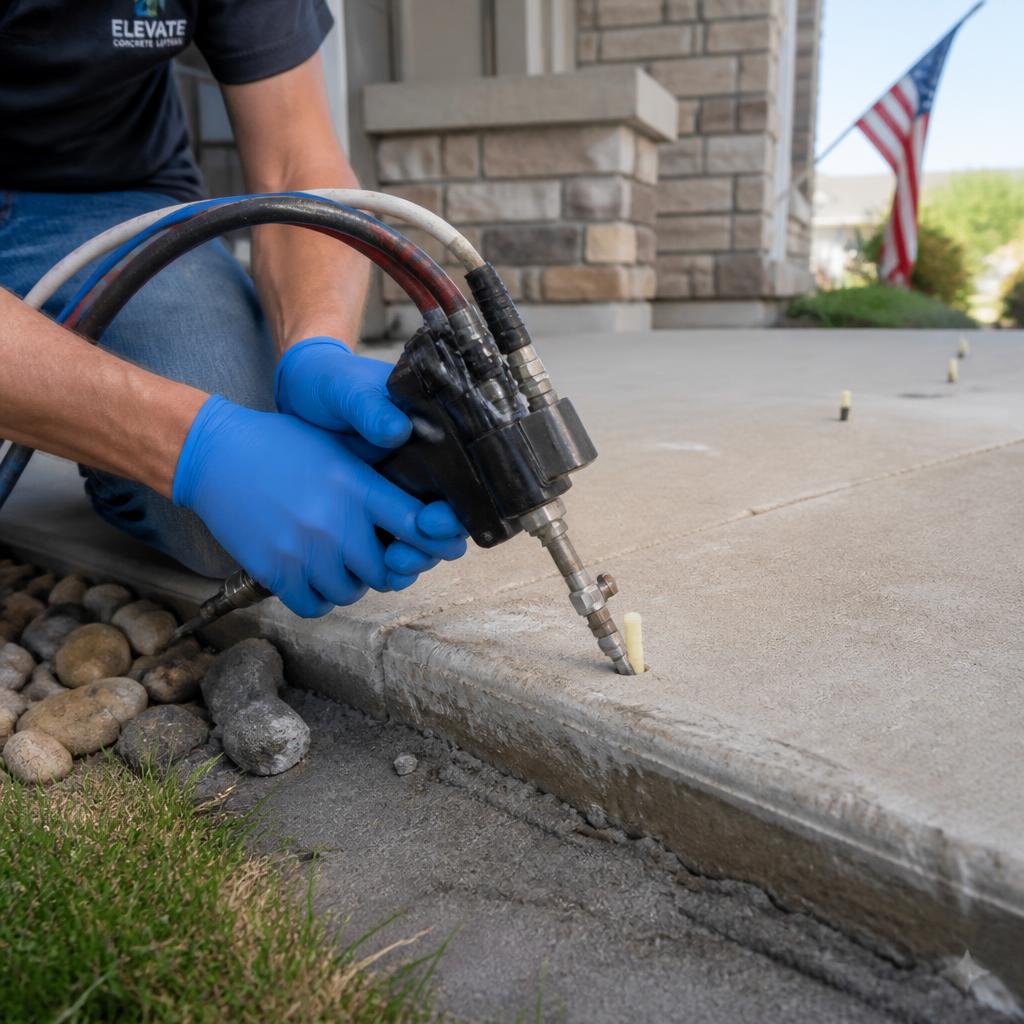
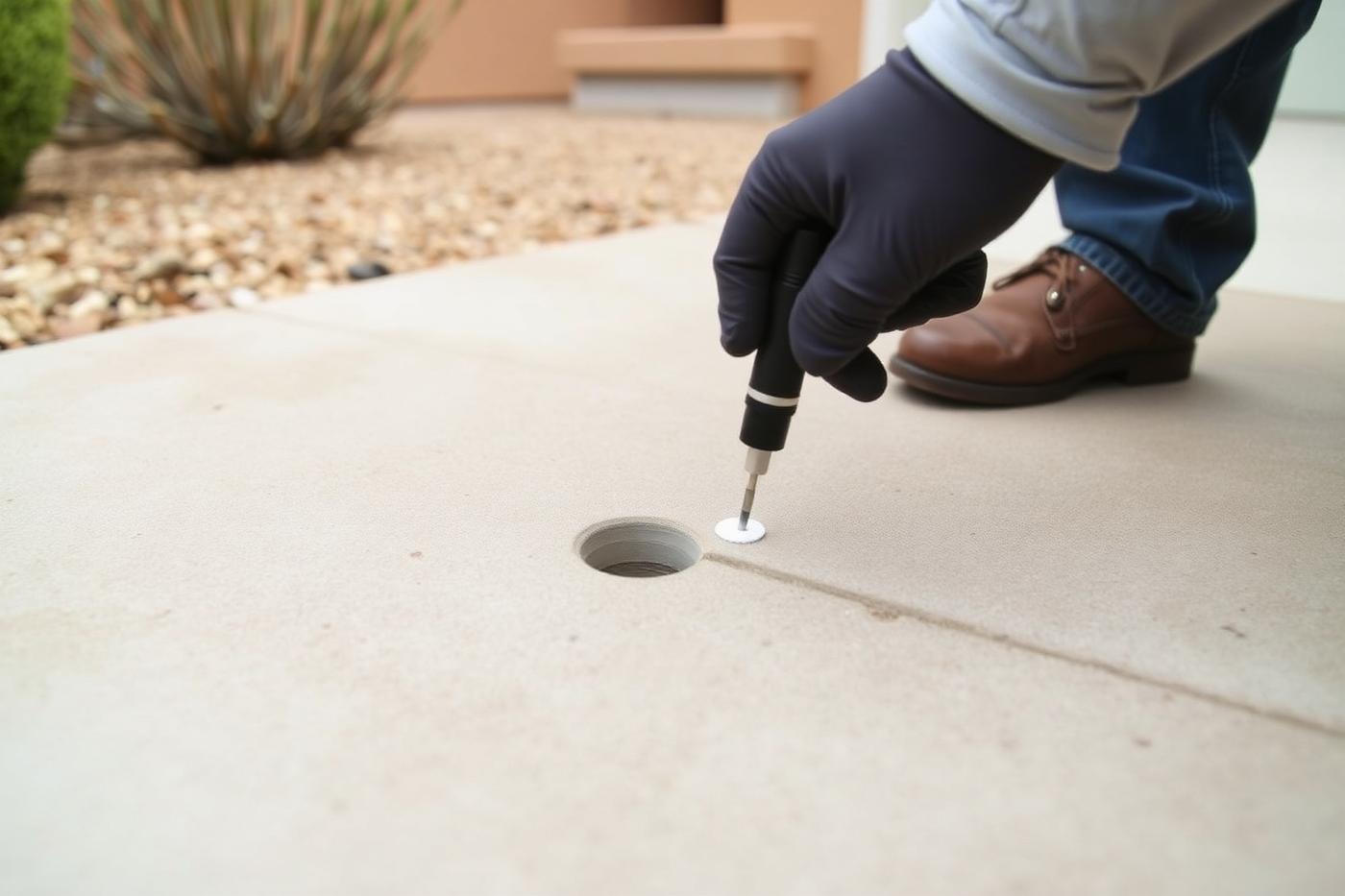
Sidewalk leveling is designed to lift and stabilize settled concrete without full demolition.
A typical repair process may include:
The exact method depends on the amount of settlement and the condition of the sidewalk. The main goal is to restore a safe walking surface and give the slab support again.
Because the repair works from underneath, it is often much less disruptive than tearing out the old sidewalk and pouring new concrete. See polyurethane foam vs mudjacking.
Sidewalk leveling in Albuquerque is usually the best choice when the concrete is still in good enough shape to save.
It may be a good option if:
In those cases, lifting the slab can often solve the problem without the cost and disruption of replacement.
Not every sidewalk can or should be leveled. Sometimes the slab is damaged too far beyond a practical repair.
Replacement may be the better option if:
A good contractor should be honest about this. If the sidewalk is too far gone, forcing a leveling repair will not solve the underlying problem. See concrete leveling vs replacement.
Albuquerque conditions can be especially hard on sidewalks. Dry soil can shrink and leave voids beneath the slab. Heavy rain or runoff can wash away support. Sprinkler overspray can wet one part of the ground while another part stays dry, which causes uneven movement over time.
In other words, the problem is often not the sidewalk itself. It is the soil and moisture conditions underneath it.
That is why sidewalk repairs in Albuquerque should always pay attention to more than just the visible crack or height difference. If the drainage issue is still there, the concrete may keep moving later.
Sidewalk leveling is often the most direct way to eliminate a trip hazard caused by settlement. If one section sits above another, lifting the sunken slab can make the surface safer and easier to walk on.
In some cases, a contractor may recommend a combination of repairs, such as:
The right solution depends on how the concrete moved and how much damage is already there. If the slab is only slightly uneven, leveling may be enough. If the trip hazard is severe or the concrete is badly broken, replacement may be safer.
Once a sidewalk has been repaired, a few habits can help reduce the chance of future movement.
Helpful prevention steps include:
These steps do not guarantee a sidewalk will never move again, but they can reduce the strain on the repaired area and help protect the work.
If you notice a sidewalk slab rising, sinking, or separating from the next section, it is worth getting it inspected. Small settlement is often easiest to fix before cracks widen and the trip hazard gets worse.
The most important question is whether the sidewalk is still a good candidate for leveling. If the concrete is still sound, leveling can often solve the problem without tearing everything out. If the slab is badly damaged, replacement may be the smarter option.
Either way, the goal is the same: make the walkway safe, stable, and functional again.
An uneven sidewalk is one of those problems that seems small until it starts affecting safety and appearance every day. In Albuquerque, soil movement and drainage issues are often the real cause behind a sinking walkway. The good news is that many sidewalks can be leveled instead of replaced.
If your sidewalk has started to settle, crack, or create a trip hazard, it is worth evaluating sooner rather than later. In many cases, the right repair can restore the concrete, improve safety, and avoid a full tear-out. To schedule a free inspection, request a free estimate or call (505) 388-0089.
Think Your Concrete May Qualify for Lifting?
Free on-site inspection · Fixed written quote · No obligation
Related services
Get a local estimate
Keep reading
Learn what mudjacking is, how it works, when it may still be useful in Albuquerque, and how it compares with polyurethane foam leveling.
Learn the differences between polyurethane foam concrete leveling and traditional mudjacking. Compare how each method works, common applications, and factors homeowners should consider before choosing a repair option.
Should you level your concrete or replace it? A plain-English guide to the pros, cons, costs and when each option makes sense for Albuquerque homeowners.
Have questions about your concrete? Need advice? Want a free estimate? We're here to help. Concrete leveling saves the slab you already have, at a fraction of the cost of replacement.
Free Estimates · Albuquerque-Focused Service · Clear Recommendations