9 min read
How Sidewalk Leveling Works in Albuquerque and When Replacement Is Better
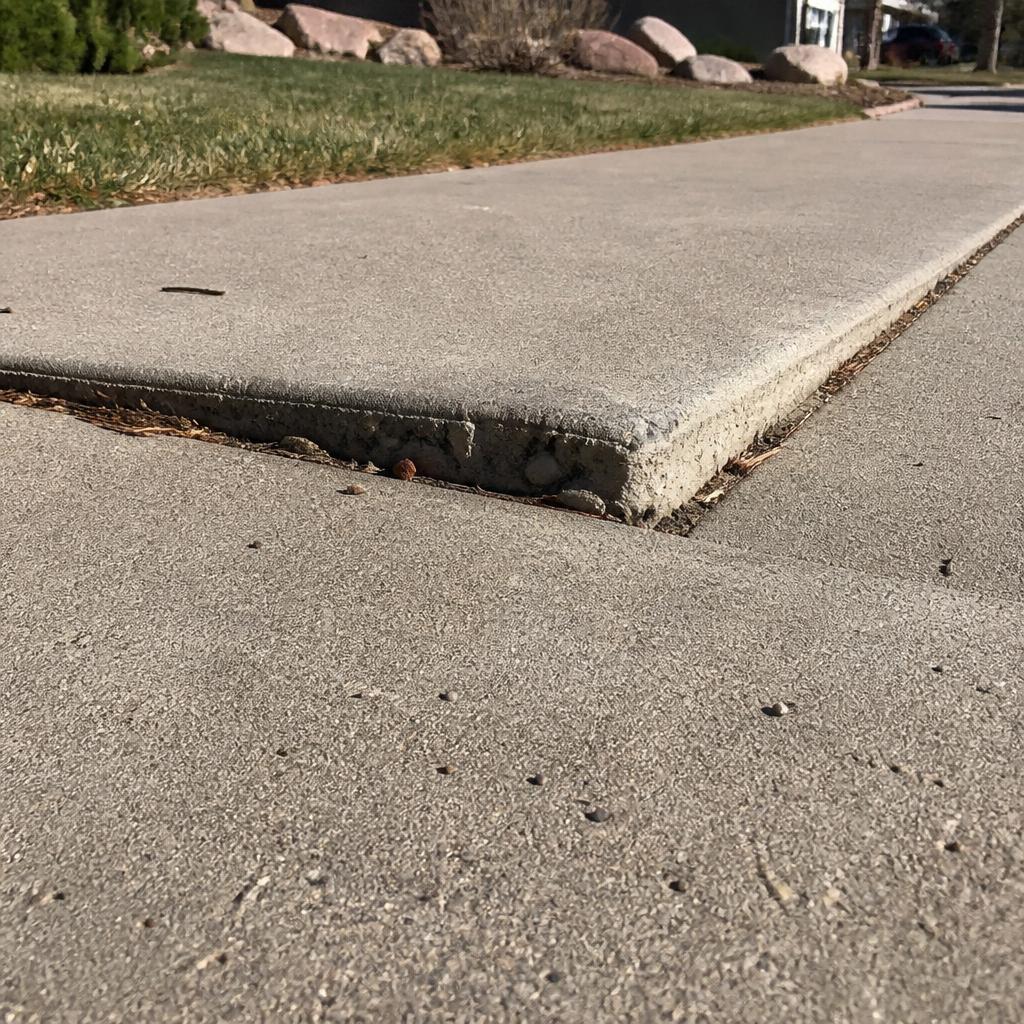
Learn how sidewalk leveling works in Albuquerque, what causes sidewalks to sink, and when leveling is better than replacement.
Free 44-Page Homeowner Guide
Understand common causes of sinking concrete, project pricing ranges, repair versus replacement, contractor questions, and Albuquerque-specific concrete concerns.
We're here to help
Not every concrete problem requires an on-site visit.
Many questions can be answered with a quick phone call, helping you understand your options before scheduling an evaluation. Sometimes a quick conversation is all it takes to point you in the right direction.
If an on-site visit is needed, we'll help arrange it.
No pressure. No obligation. Just honest answers and the right solution for your property.
Whether you need answers, have questions, or are ready for an estimate, we're here to help. Give us a call or send us a quick message — we'd be happy to assist.
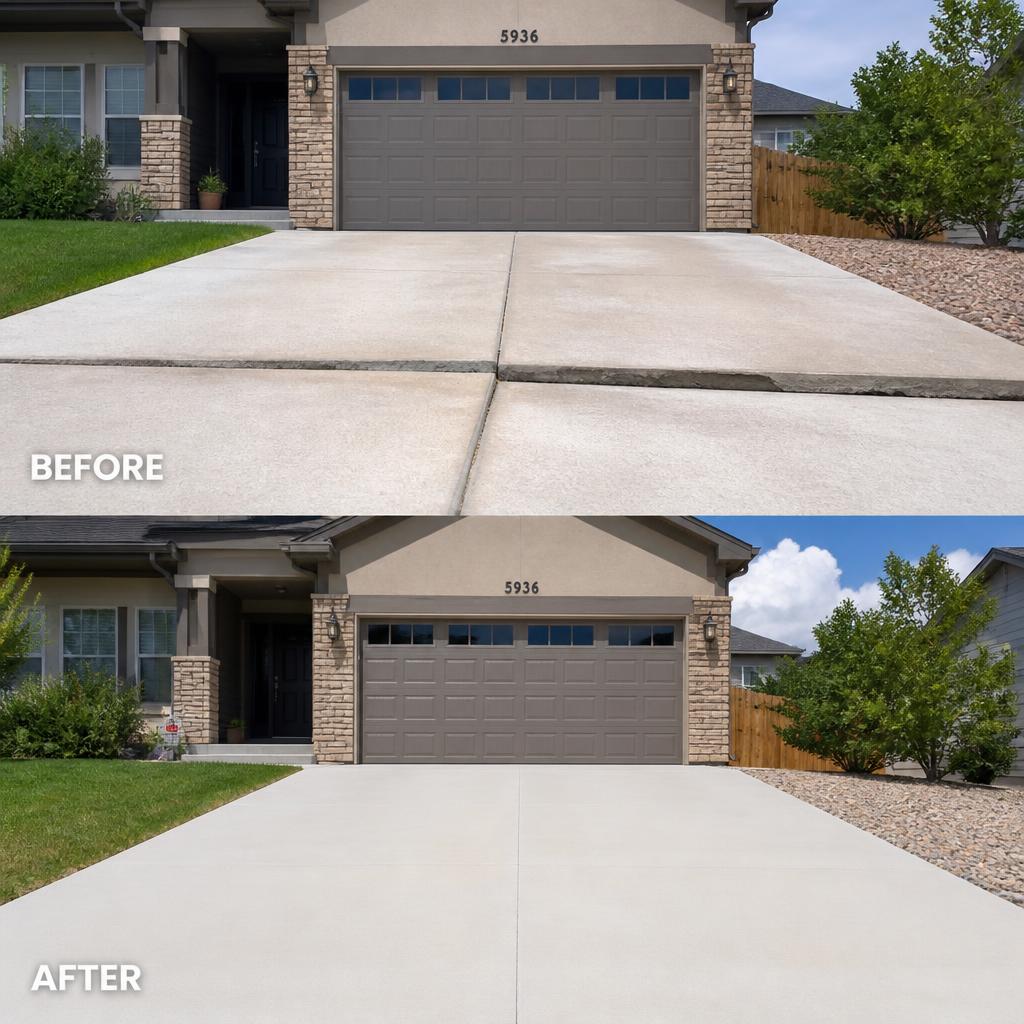
Learn what mudjacking is, how it works, when it may still be useful in Albuquerque, and how it compares with polyurethane foam leveling.
If you start looking into concrete repair, you will hear the term mudjacking pretty quickly. It is one of the older methods used to lift settled concrete, and even today it still comes up in conversations about driveways, sidewalks, patios, garage floors, and other slabs that have dropped out of level.
For Albuquerque homeowners, mudjacking is worth understanding because it remains a real repair option in some situations. It is not always the best choice, but it can still be useful depending on the condition of the slab, the amount of settlement, and the long-term goals for the repair.
If your concrete has sunk, cracked, or started creating a trip hazard, it helps to know what mudjacking is, how it works, when it can still make sense, and when another method may be the smarter fit.
Mudjacking is a concrete leveling method that lifts a settled slab by pumping a heavy slurry mixture underneath it. The goal is to fill the void beneath the concrete, restore support, and raise the slab back toward its original position.
It is often called slabjacking in some markets, and homeowners sometimes use the terms interchangeably. The basic idea is the same: the concrete has lost support beneath it, and a material is injected below the slab to lift it.
Mudjacking has been used for decades. It is considered a traditional repair method, and in some situations it can still be a practical and cost-effective way to fix sinking concrete.
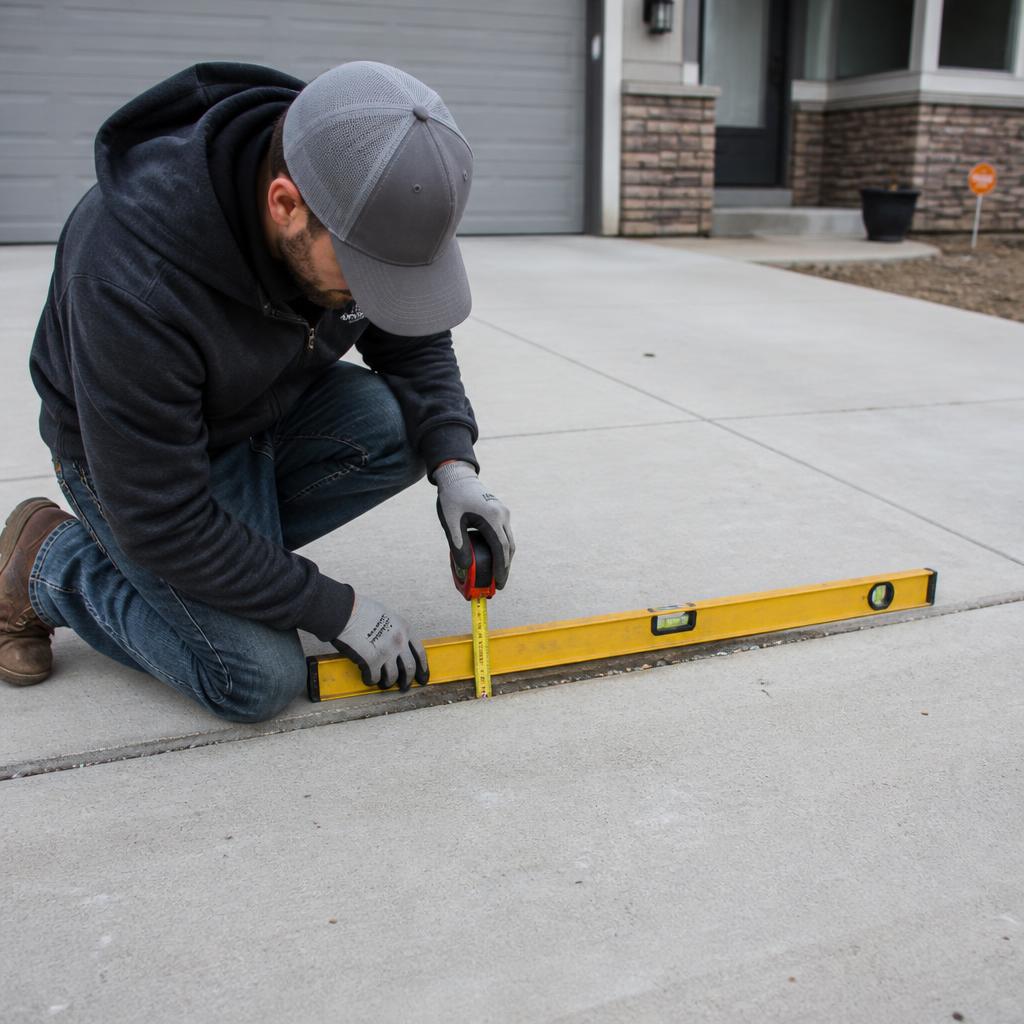
The mudjacking process usually begins with an inspection of the slab. A contractor looks at how much the concrete has settled, whether it is still structurally sound, and whether the problem appears to be caused by voids or soil loss underneath.
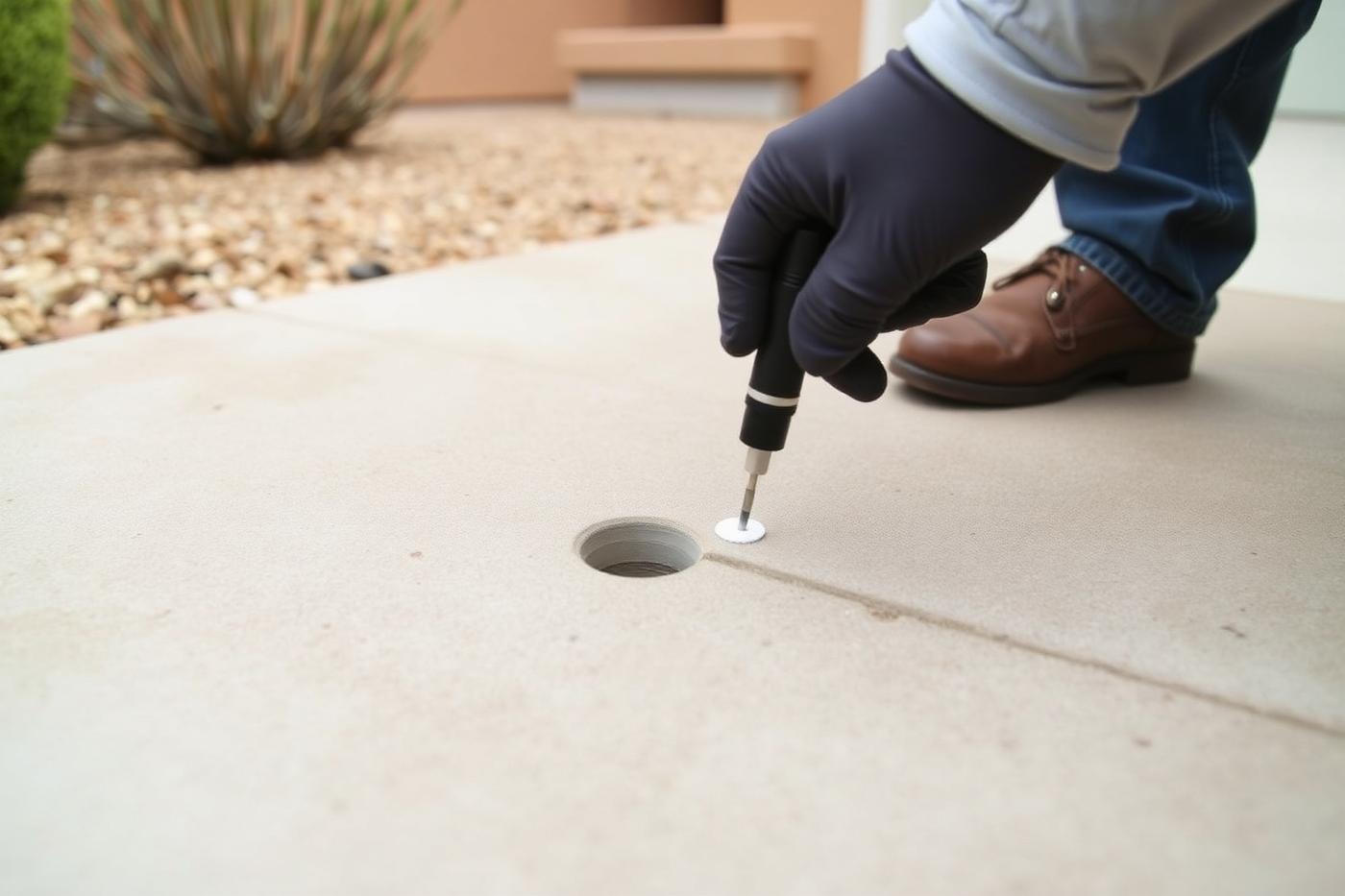
A typical mudjacking repair may include these steps:
The slurry used in mudjacking is heavier than foam-based lifting materials. It is usually made from a cement-based or soil-based mixture and is pumped under pressure to help move the slab upward.
Mudjacking is only one possible fix. To know whether it makes sense, you need to understand why the concrete settled in the first place.
In Albuquerque, concrete settlement is often tied to conditions such as:
When the support below the concrete weakens, the slab starts to drop. Mudjacking restores support beneath it, but it does not change the soil or drainage conditions by itself. See why concrete sinks in Albuquerque.
Mudjacking can still be a solid option in the right situation. It is not automatically outdated just because newer methods exist.
It may still make sense when:
Even though mudjacking can work, it is not always the ideal method.
It may not be the best fit when:
In those cases, polyurethane foam leveling may be a better choice. Foam is lighter, cures faster, and often gives contractors more precision during the repair.
A lot of homeowners who search for mudjacking are really trying to compare it with foam leveling. That is one of the biggest decisions in modern concrete repair.
For Albuquerque properties, the lighter weight of foam can be appealing because soil movement and moisture changes can already make the ground unstable. See polyurethane foam vs mudjacking for the full breakdown.
The best candidates are usually slabs that are still in decent shape but have sunk because of voids or soil loss below them.
If the concrete is still stable enough to lift, repair may be possible. If it has broken into too many pieces or lost too much integrity, replacement may be the more responsible choice.
Concrete problems usually do not stay small forever. A small dip can turn into a bigger one. A minor crack can widen. Water can begin to move the wrong way. Once that happens, the repair can get more complicated.
In Albuquerque, dry soil, sudden moisture, and drainage issues can all make settlement worse over time. If you are considering mudjacking or any other repair method, the safest approach is to inspect the slab early while you still have options.
Mudjacking is still a real concrete repair method, and in some cases it can be the right one. But it is only one part of the larger conversation around concrete leveling. In Albuquerque, where soil movement and drainage can be tough on slabs, the best choice depends on the condition of the concrete, the cause of the settlement, and the kind of result you want.
If your driveway, patio, sidewalk, or garage floor has started to sink, request a free estimate or call (505) 388-0089.
Think Your Concrete May Qualify for Lifting?
Free on-site inspection · Fixed written quote · No obligation
Related services
Get a local estimate
Keep reading
Learn how sidewalk leveling works in Albuquerque, what causes sidewalks to sink, and when leveling is better than replacement.
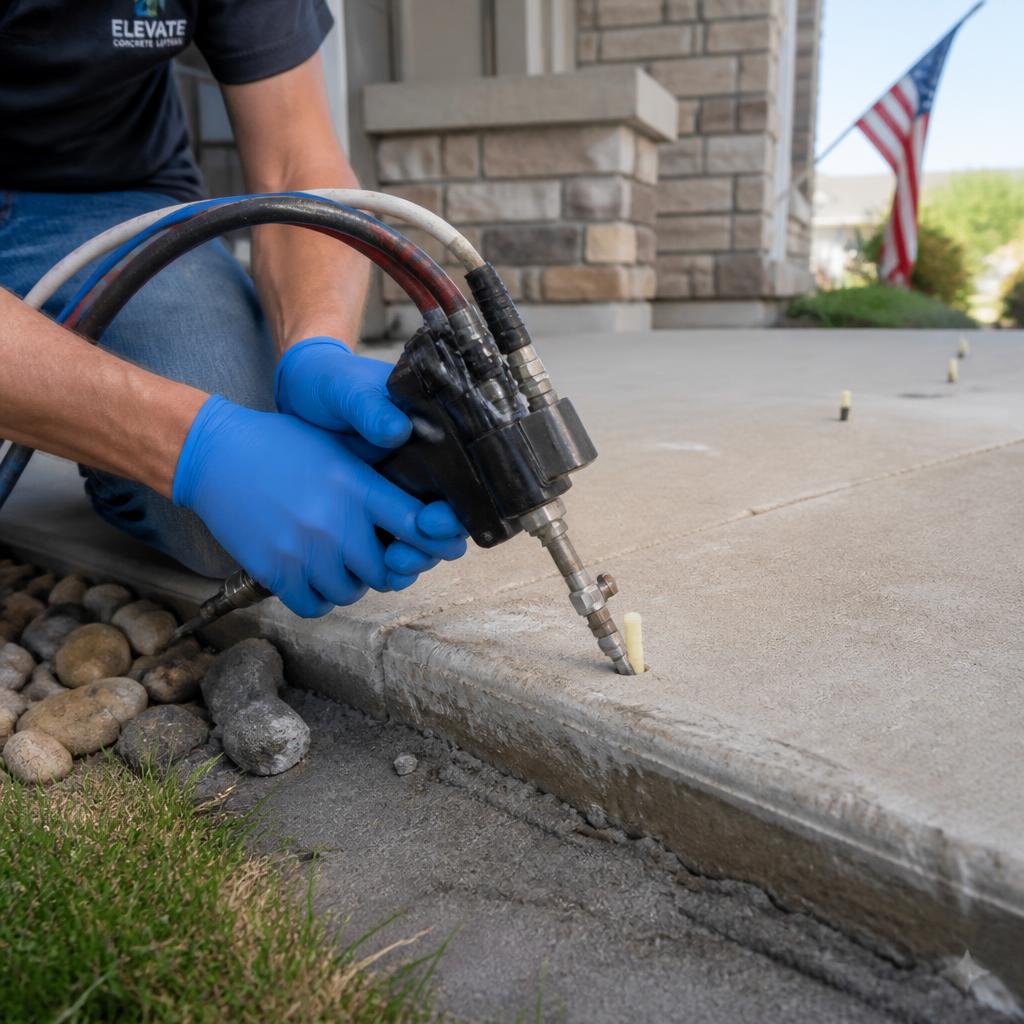
Learn the differences between polyurethane foam concrete leveling and traditional mudjacking. Compare how each method works, common applications, and factors homeowners should consider before choosing a repair option.
Should you level your concrete or replace it? A plain-English guide to the pros, cons, costs and when each option makes sense for Albuquerque homeowners.
Have questions about your concrete? Need advice? Want a free estimate? We're here to help. Concrete leveling saves the slab you already have, at a fraction of the cost of replacement.
Free Estimates · Albuquerque-Focused Service · Clear Recommendations