6 min read
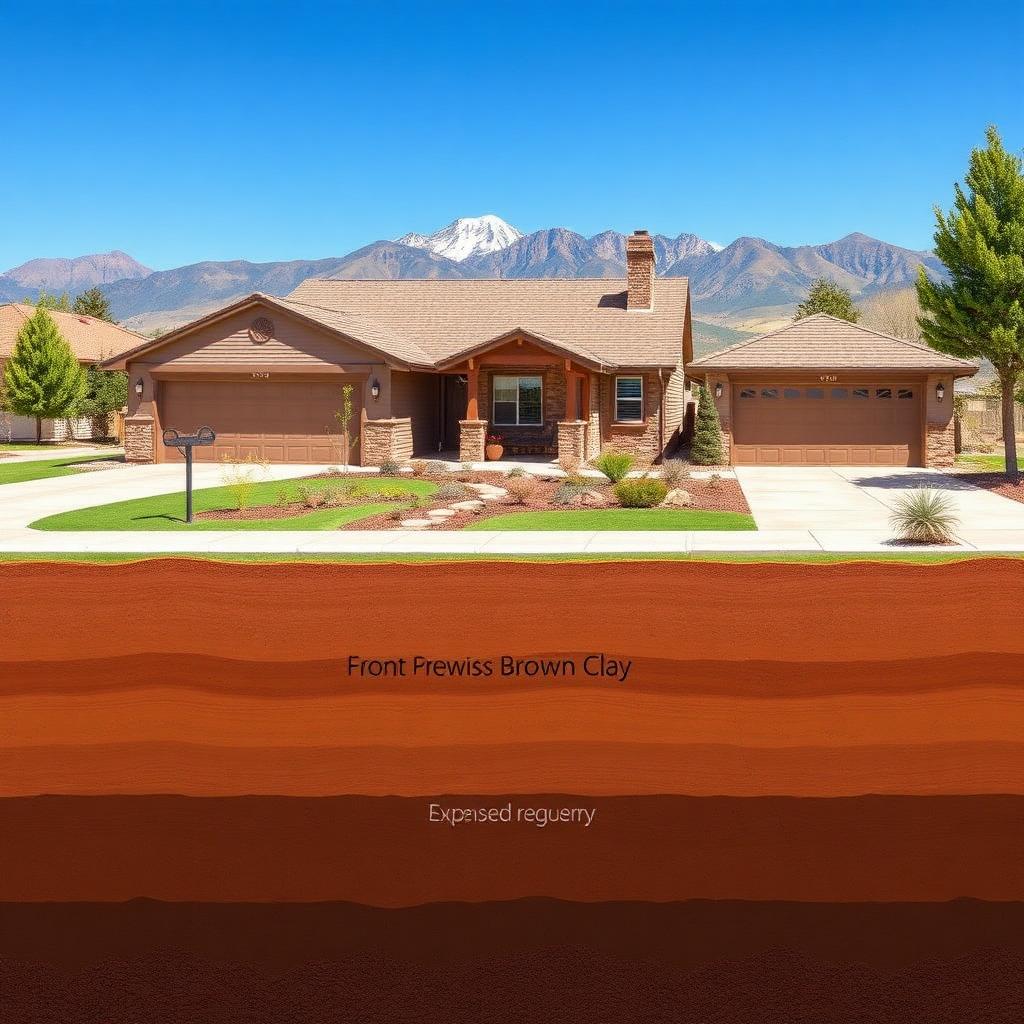
How Albuquerque' Expansive Clay Soil Affects More Than Just Concrete
Expansive clay soil influences much more than driveways and sidewalks. Learn how it affects drainage, landscaping, fences, and other parts of a Albuquerque property.
Free 44-Page Homeowner Guide
Understand common causes of sinking concrete, project pricing ranges, repair versus replacement, contractor questions, and Albuquerque-specific concrete concerns.
We're here to help
Not every concrete problem requires an on-site visit.
Many questions can be answered with a quick phone call, helping you understand your options before scheduling an evaluation. Sometimes a quick conversation is all it takes to point you in the right direction.
If an on-site visit is needed, we'll help arrange it.
No pressure. No obligation. Just honest answers and the right solution for your property.
Whether you need answers, have questions, or are ready for an estimate, we're here to help. Give us a call or send us a quick message — we'd be happy to assist.
Learn why pool decks sink in Albuquerque, what warning signs to watch for, and when pool deck leveling may be better than replacement.
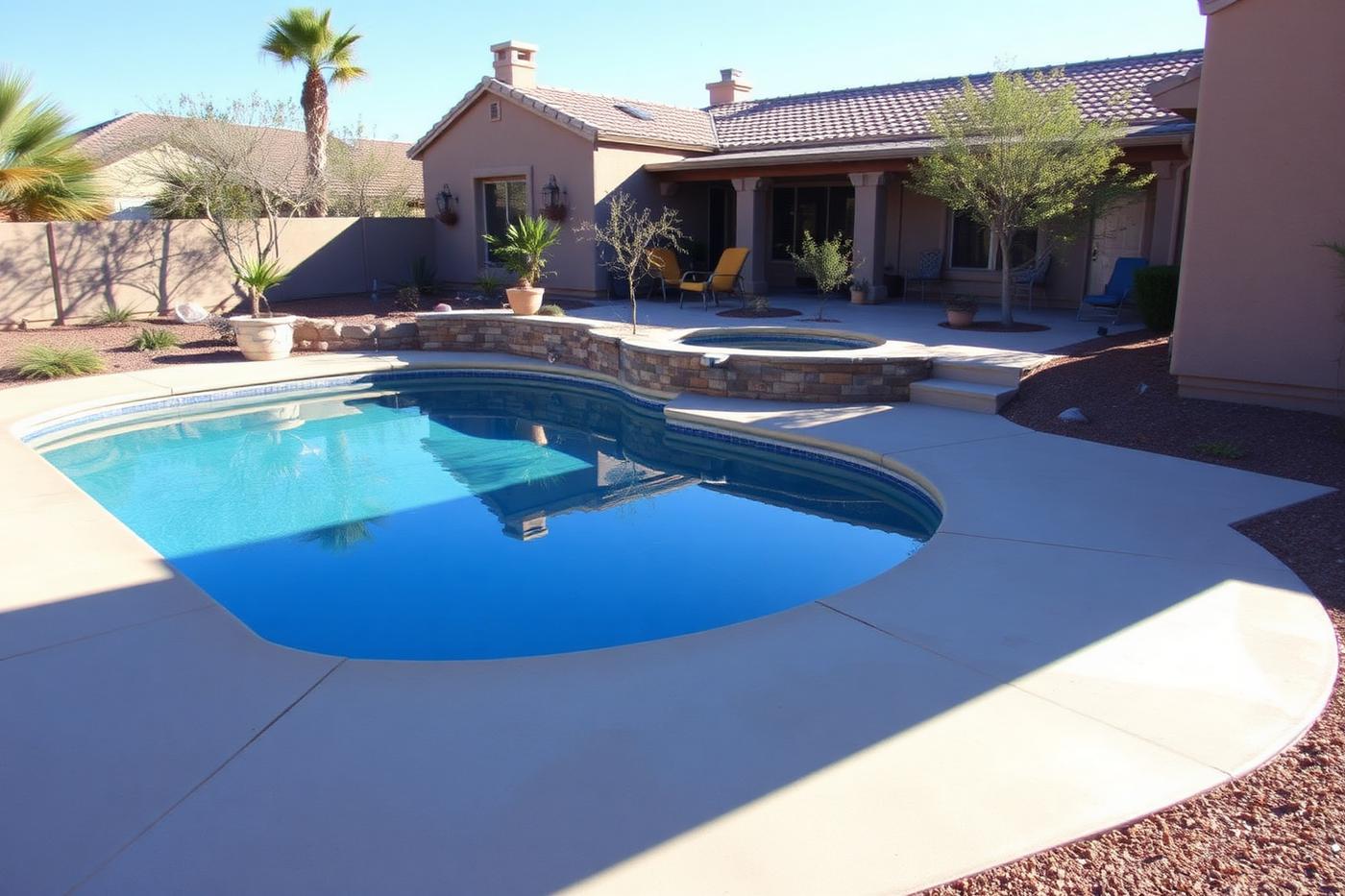
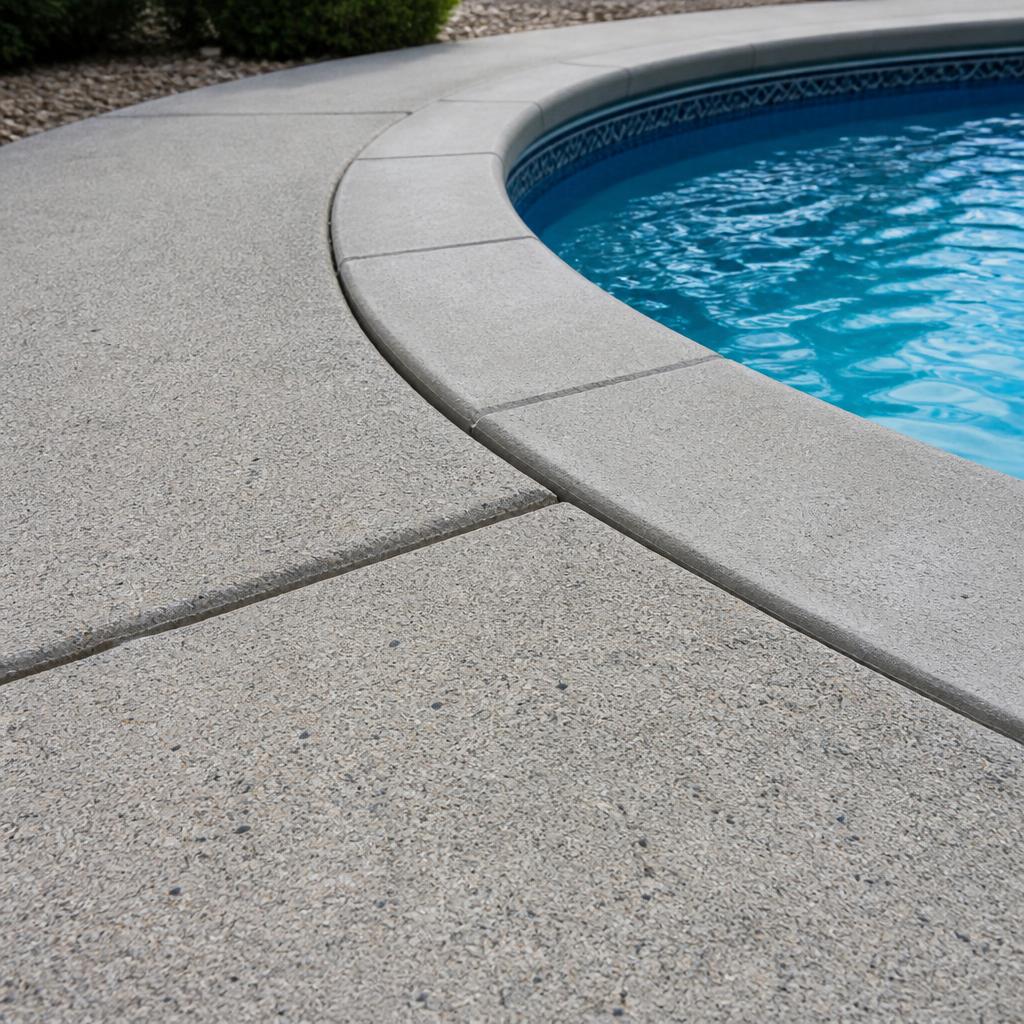
A pool deck should make your backyard feel safer, cleaner, and more enjoyable. When it is level, you barely think about it. But when sections start to sink, crack, or separate, the whole area becomes harder to use and much harder to ignore.
In Albuquerque, pool deck settlement is a common issue for the same reason many other concrete problems happen here. Soil movement, drainage problems, and long stretches of dry weather followed by sudden moisture can all affect the support beneath concrete. Around a pool, that risk can be even higher because water is constantly part of the environment.
If your pool deck is sinking, you do not necessarily need a full tear-out. In many cases, pool deck leveling can restore the slab, improve safety, and extend the life of the concrete you already have.
Pool decks sit in an environment that sees a lot of moisture. Even if the pool itself is well maintained, water can still reach the soil around it through splashing, backwash, rain, hose runoff, or irrigation. Over time, that water can soften or wash away the support beneath the concrete.
Common causes of pool deck settlement include:
When the support beneath the slab weakens, the deck starts to move. Sometimes it lowers at one edge. Sometimes a corner drops. Sometimes an entire section settles just enough to create an uneven surface that becomes obvious when water begins to pool. See how poor drainage causes concrete settlement in Albuquerque for related context.
Pool deck settlement usually starts small. Homeowners often notice the problem only after several clues add up.
Watch for signs like:
If you can see a height difference between slabs, that is usually a sign the concrete has lost support below. Even small changes in elevation can become more noticeable around a pool, where wet feet and constant traffic make uneven surfaces more risky.
A sinking pool deck is more than just a cosmetic issue. It can affect both safety and usability.
An uneven pool deck can:
Around a pool, that matters a lot. Guests are often barefoot, surfaces are wet, and people move quickly in and out of the water. A deck that is only slightly out of level can still become a real safety concern. See how to spot trip hazards around your home.
When a deck starts to sink, homeowners usually want to know whether the slab can be saved or whether it should be replaced. The answer depends on the condition of the concrete and how severe the settlement is.
Pool deck leveling is often the better choice when:
Replacement may be the better option when:
For many Albuquerque homeowners, leveling is the sweet spot. It fixes the unevenness without forcing a full rebuild. See concrete leveling vs replacement for the full comparison.
Pool deck leveling is designed to restore support beneath the slab and lift it back toward its proper position.
A typical repair process may include:
The exact method depends on the condition of the deck and the amount of movement involved. In many cases, the goal is not just to raise the slab, but to stabilize it so it has better support moving forward. See polyurethane foam vs mudjacking for method comparisons.
Albuquerque weather and soil conditions can be tough on concrete. Long dry periods can shrink soil and create voids. Heavy rains and runoff can wash away support. Irrigation and overspray around a backyard pool can keep soil damp in some areas and dry in others, causing uneven movement.
That mix of conditions can make pool deck settlement more likely over time. It also means small issues around the deck should be taken seriously before they grow into larger ones.
If water is draining toward the pool deck instead of away from it, the problem may continue even after the slab is lifted. That is why the best repair plan usually includes a look at both the concrete and the drainage around it.
Once a pool deck has been repaired, a few habits can help reduce the chance of future movement.
Helpful steps include:
These steps will not fix a sunk slab by themselves, but they can help protect the repair and keep new problems from developing as quickly.
If you see cracks, dips, or uneven spots around your pool, the safest first step is to have the area evaluated. The sooner you look at it, the more likely it is that leveling will be a practical solution.
You should also pay attention to whether the concrete is just uneven or whether it is breaking apart. That distinction matters. A slab that has settled may be a good leveling candidate. A slab that is badly damaged may need a different approach.
The key is not to wait until the trip hazard becomes obvious to everyone who walks past it. Pool deck problems usually give warning signs first. Those signs are your chance to fix the issue before it gets worse.
A sinking pool deck is common, but it should not be ignored. In Albuquerque, soil movement, drainage, and moisture changes can all affect the concrete around a pool. The good news is that many pool decks can be leveled instead of replaced.
If your pool deck is cracking, sinking, or creating an uneven walking surface, it is worth getting a professional opinion. In many cases, the right repair can restore safety, improve drainage, and save the concrete you already have. To schedule a free inspection, request a free estimate or call (505) 388-0089.
Think Your Concrete May Qualify for Lifting?
Free on-site inspection · Fixed written quote · No obligation
Related services
Get a local estimate
Keep reading
Expansive clay soil influences much more than driveways and sidewalks. Learn how it affects drainage, landscaping, fences, and other parts of a Albuquerque property.
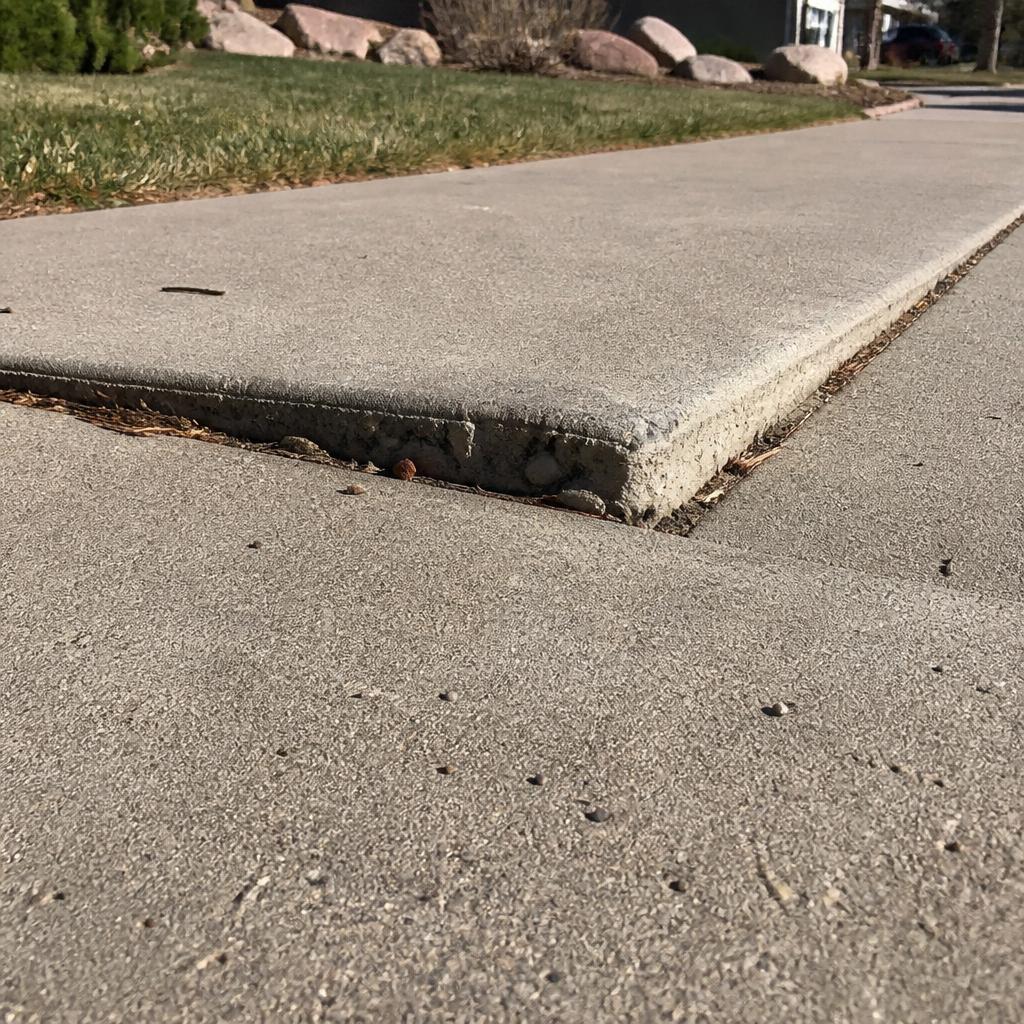
Wondering if your concrete needs leveling? Learn the seven most common warning signs Albuquerque homeowners should watch for before uneven concrete becomes a larger problem.
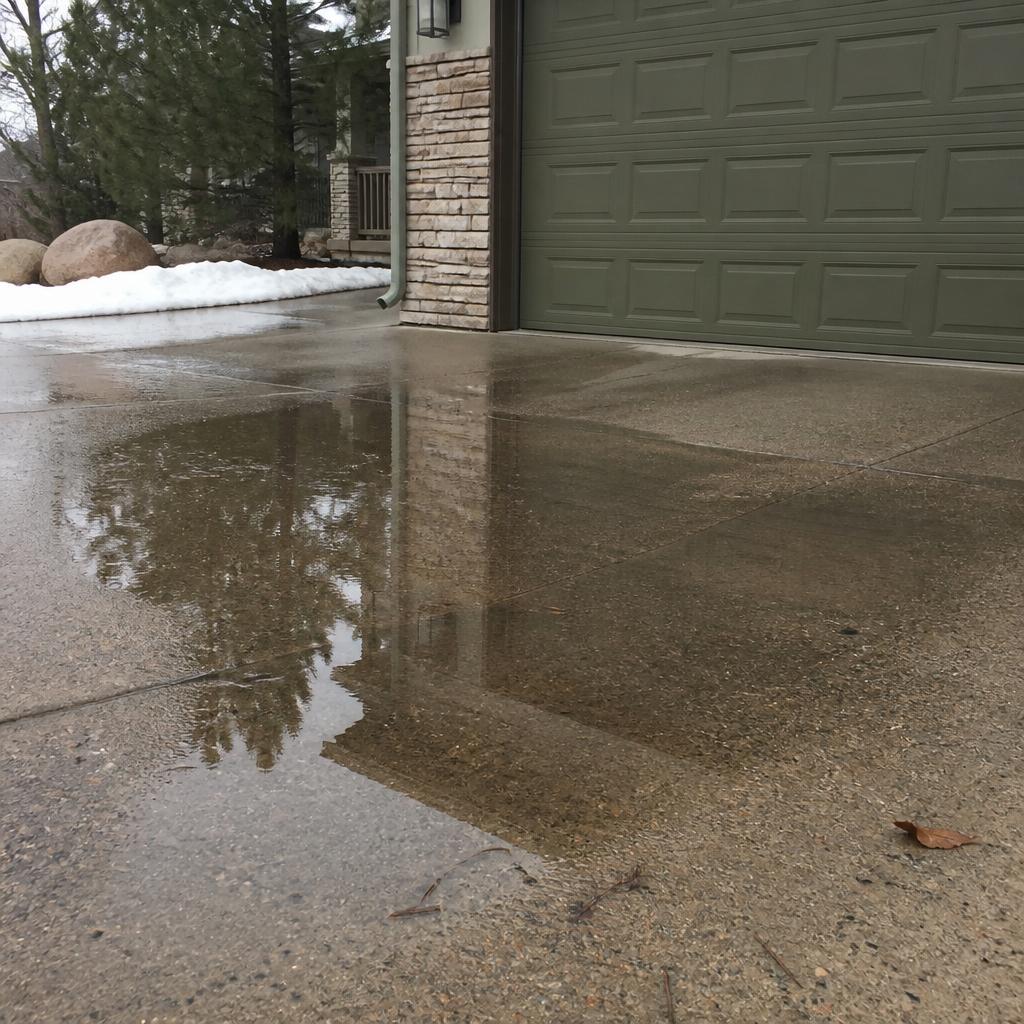
Does water collect on your driveway after it rains? Learn why standing water develops, what it may indicate about your concrete, and when concrete leveling may help restore proper drainage.
Have questions about your concrete? Need advice? Want a free estimate? We're here to help. Concrete leveling saves the slab you already have, at a fraction of the cost of replacement.
Free Estimates · Albuquerque-Focused Service · Clear Recommendations