6 min read
How Albuquerque' Expansive Clay Soil Affects More Than Just Concrete
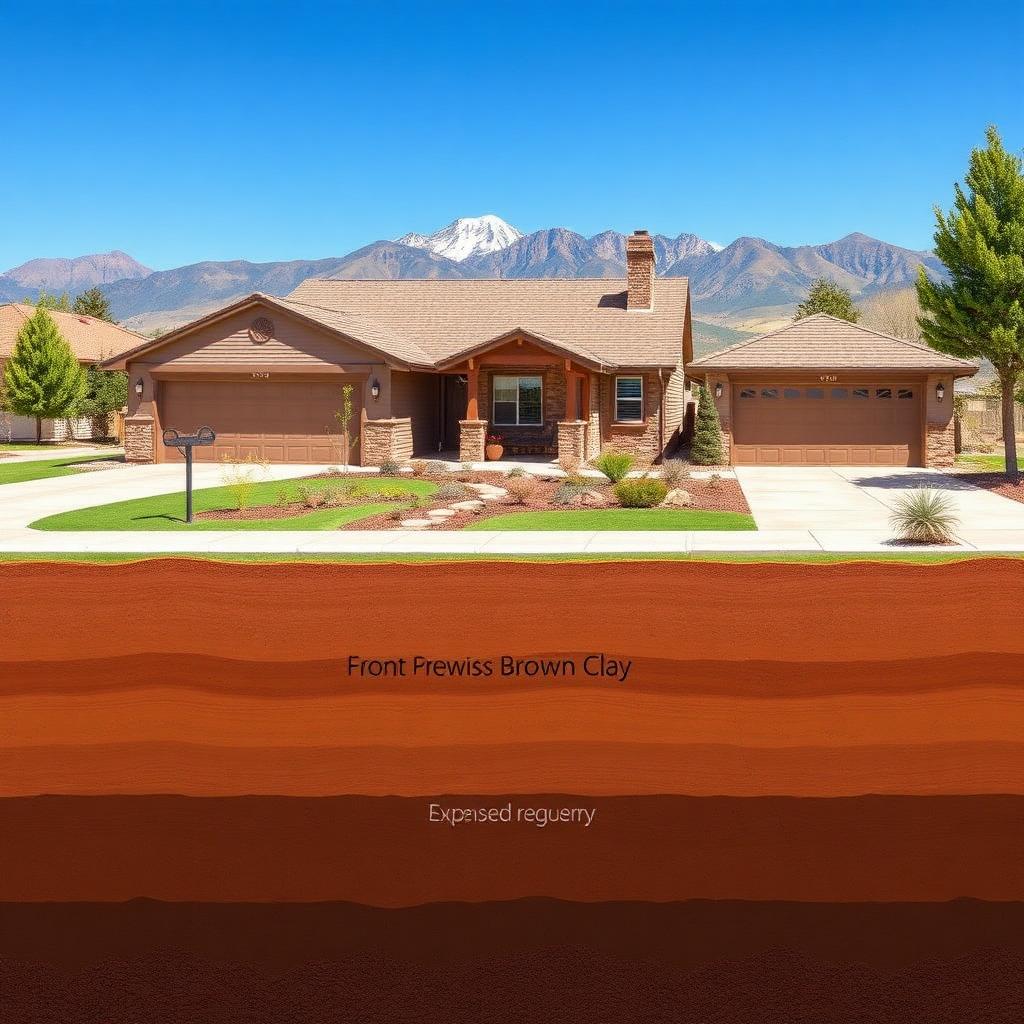
Expansive clay soil influences much more than driveways and sidewalks. Learn how it affects drainage, landscaping, fences, and other parts of a Albuquerque property.
Free 44-Page Homeowner Guide
Understand common causes of sinking concrete, project pricing ranges, repair versus replacement, contractor questions, and Albuquerque-specific concrete concerns.
We're here to help
Not every concrete problem requires an on-site visit.
Many questions can be answered with a quick phone call, helping you understand your options before scheduling an evaluation. Sometimes a quick conversation is all it takes to point you in the right direction.
If an on-site visit is needed, we'll help arrange it.
No pressure. No obligation. Just honest answers and the right solution for your property.
Whether you need answers, have questions, or are ready for an estimate, we're here to help. Give us a call or send us a quick message — we'd be happy to assist.
In Albuquerque, sunken flatwork and true foundation movement can look similar from the driveway — but they mean very different things. Here's how to tell them apart before you assume the worst.
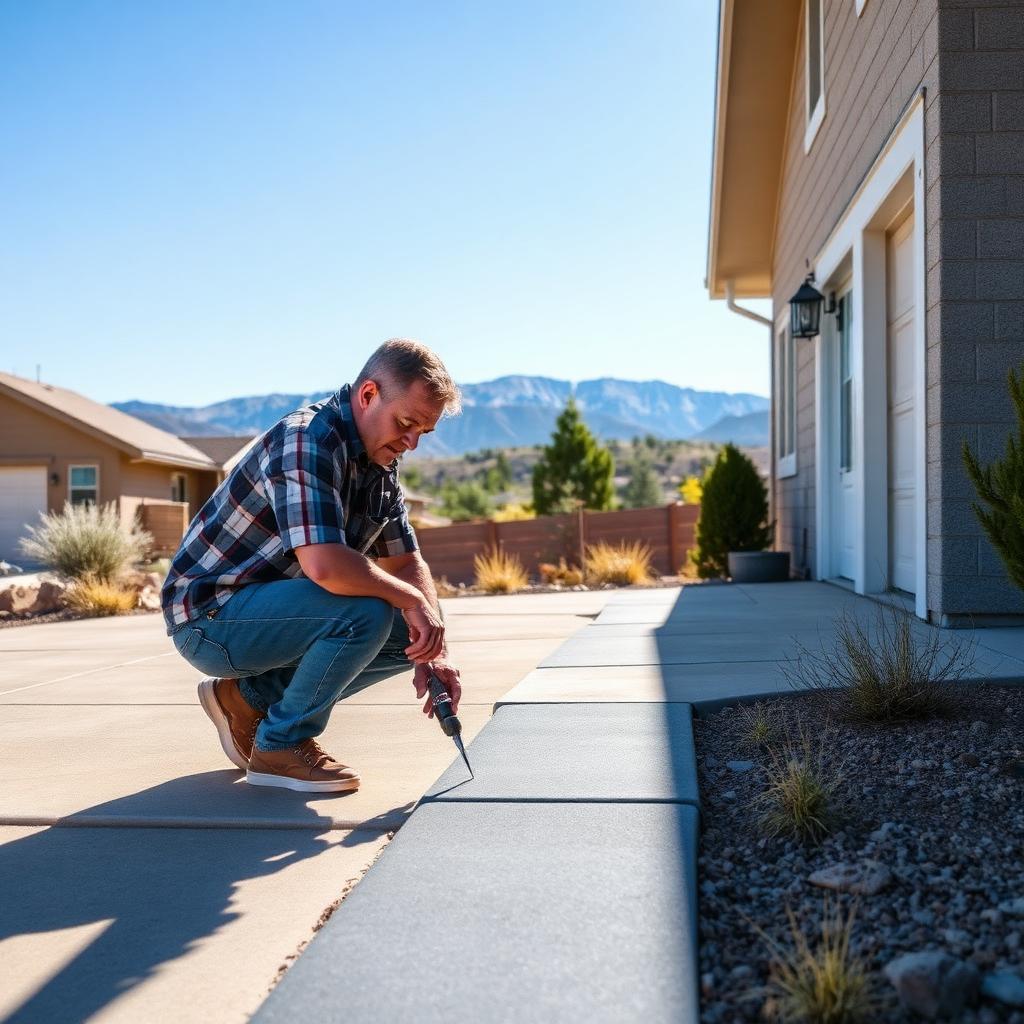
One of the most common calls we get in Albuquerque starts the same way: 'My driveway is sinking — I think my foundation is failing.' Sometimes that fear turns out to be warranted. Much more often, the homeowner is looking at a settled exterior slab that has nothing to do with the structural foundation of the house.
Because Albuquerque sits on some of the most expansive clay soil in the country — Pierre shale runs under Northeast Heights, Rockrimmon, the Broadmoor, parts of Corrales and Rio Rancho, and much of East Mountains — both problems are more common here than in most markets. Learning to tell them apart quickly saves a lot of money and worry.
For a deeper look at why exterior slabs move here in the first place, our guide on why concrete sinks in Albuquerque is a good starting point.
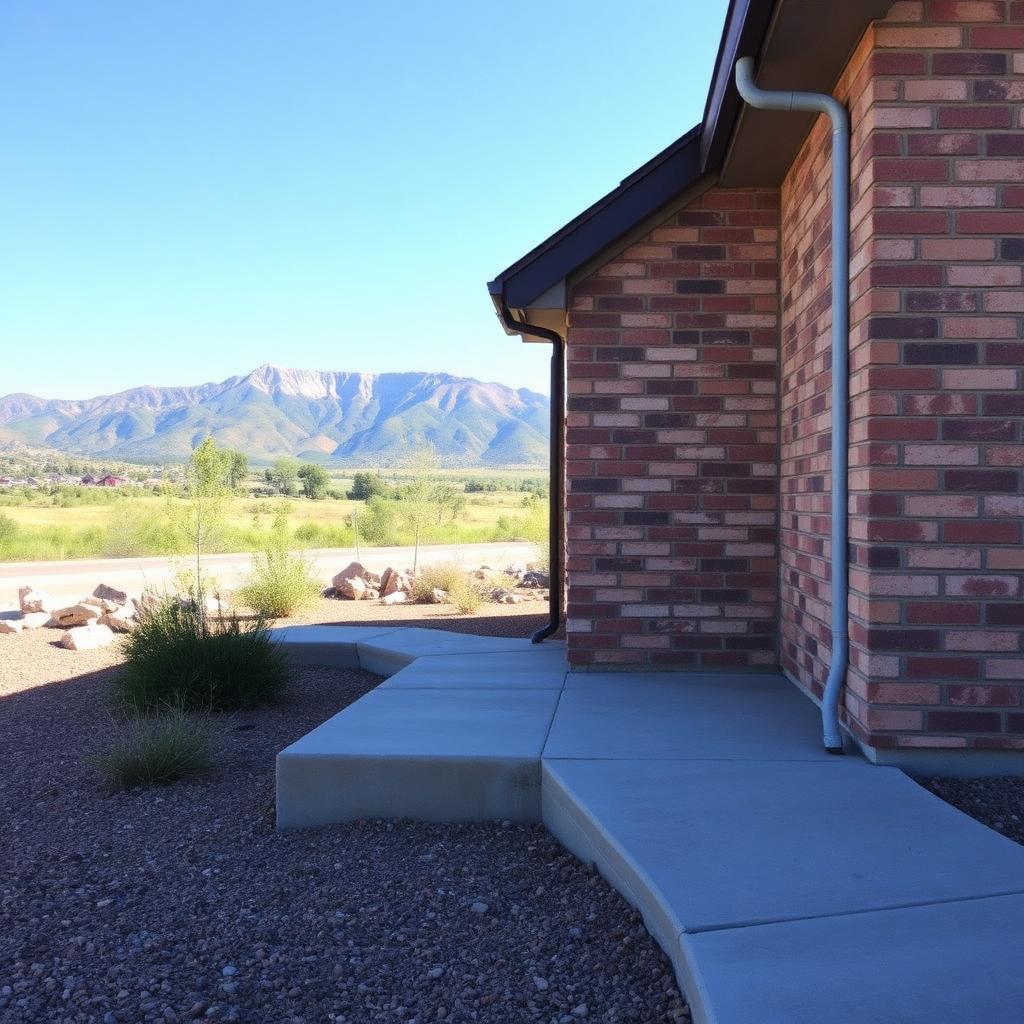
Most 'sinking concrete' calls in Albuquerque turn out to be slab-only movement. Common signs:
When those boxes check out, you're almost always looking at a candidate for concrete leveling — not a structural repair.
Structural foundation movement in Albuquerque is real and worth taking seriously. The tell-tale signs live *inside* the house as much as outside:
If several of those show up together — and especially if they've appeared over a short period — that's a call to a licensed structural engineer or a foundation repair specialist, not a concrete leveler.
The same conditions that cause exterior slabs to settle here can also stress a foundation. Expansive Pierre shale clay swells when it gets wet and shrinks when it dries — sometimes moving several inches vertically across a single season. That movement is happening under the driveway *and* under the footings.
Add in 100+ freeze-thaw cycles a year, heavy spring snowmelt from the Rio Grande valley foothills, and monsoon downpours that overwhelm downspouts, and it's easy to see why a homeowner might mistake one problem for the other. See our companion article on how Albuquerque expansive clay soil affects more than just concrete for the geology behind it.
Before you call anyone, walk the house with these questions:
Four yeses point strongly to slab-only settlement. Any sudden interior changes — new cracks, stuck doors, sloping floors — push the answer toward a foundation evaluation first.
A good concrete leveling estimate will tell you honestly if what you're describing sounds structural. If we see stair-step brick cracks or interior symptoms during a visit, we recommend an engineer before we lift anything. Our walkthrough of what actually happens during a concrete leveling estimate covers that diagnostic step.
Whether the movement is in the slab or the foundation, water is almost always part of the story in Albuquerque. Getting downspouts, grading, and sprinklers under control protects both — see how poor drainage causes concrete settlement in Albuquerque for the drainage side of the picture.
Directly, no — the driveway isn't structurally tied to the foundation. Indirectly, yes: a slab that drains water toward the foundation instead of away from it can contribute to the moisture swings that stress footings in Albuquerque' clay soils.
Almost never. That gap is the patio slab settling on its own soil while the house stays put on its footings. It's a very common Albuquerque slab-settlement pattern and a straightforward leveling candidate.
Only if you're seeing interior symptoms — sticking doors, new drywall cracks, bowed basement walls. Purely exterior slab settlement doesn't need an engineer's sign-off.
It usually shows up gradually, over seasons. Sudden changes — a door that latched fine last month and won't close now, a fresh diagonal crack over a window — are worth investigating quickly, especially after a wet spring or a hard freeze-thaw cycle.
Uneven concrete in Albuquerque is stressful, but it usually isn't a foundation emergency. Learning to separate slab movement from structural movement means you spend money on the right repair — and skip the ones you don't need.
If you're not sure which one you're looking at, contact Albuquerque Concrete Leveling for a free on-site walkthrough. Call (505) 388-0089 or request an estimate online.
Related reading: why concrete sinks in Albuquerque, how Albuquerque expansive clay soil affects more than just concrete, and what actually happens during a concrete leveling estimate.
Think Your Concrete May Qualify for Lifting?
Free on-site inspection · Fixed written quote · No obligation
Related services
Get a local estimate
Keep reading
Expansive clay soil influences much more than driveways and sidewalks. Learn how it affects drainage, landscaping, fences, and other parts of a Albuquerque property.
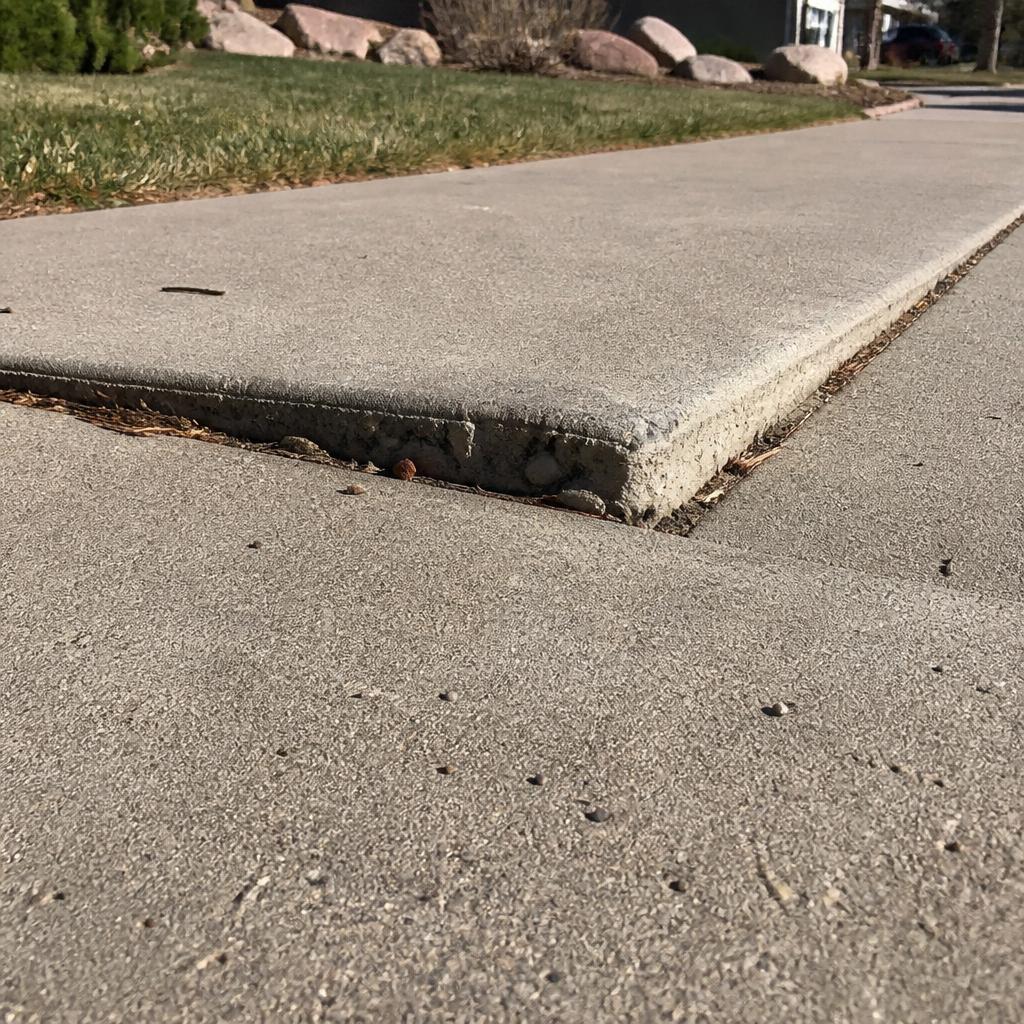
Wondering if your concrete needs leveling? Learn the seven most common warning signs Albuquerque homeowners should watch for before uneven concrete becomes a larger problem.
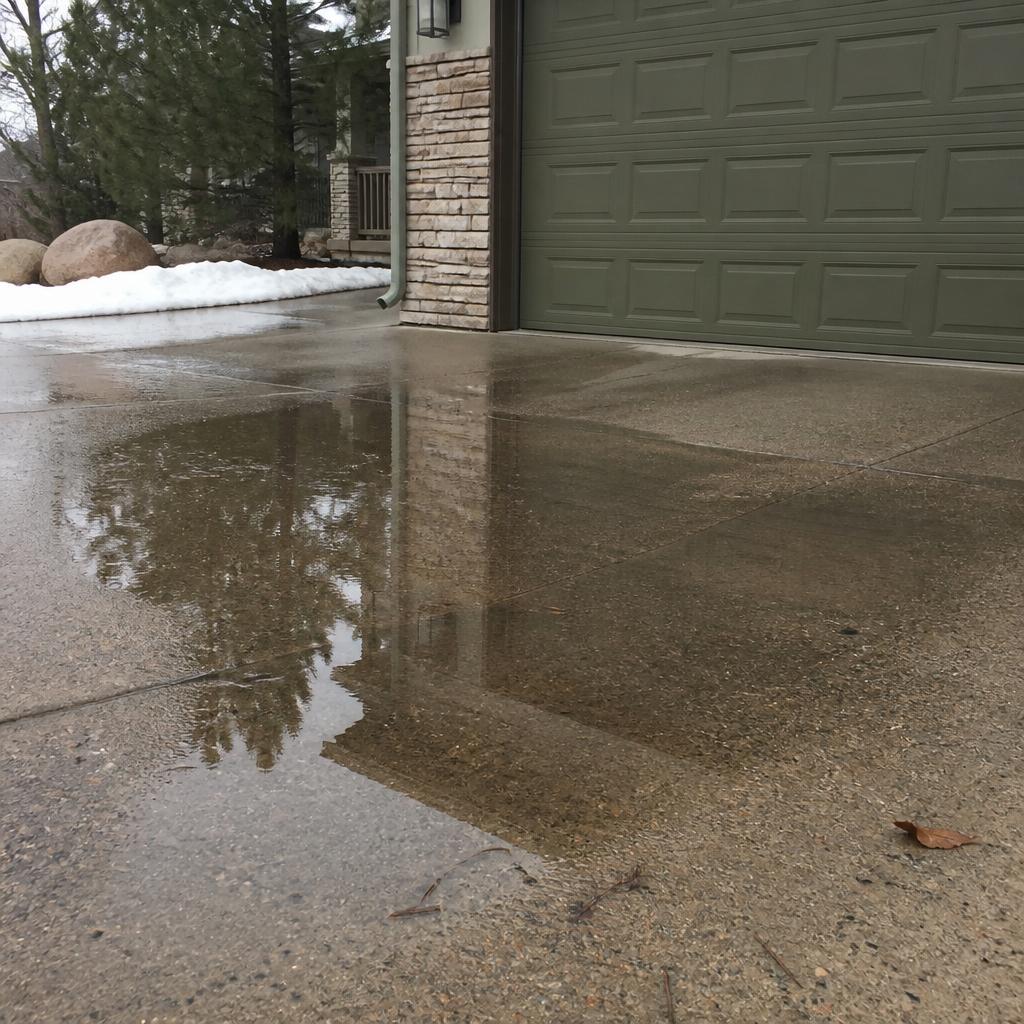
Does water collect on your driveway after it rains? Learn why standing water develops, what it may indicate about your concrete, and when concrete leveling may help restore proper drainage.
Have questions about your concrete? Need advice? Want a free estimate? We're here to help. Concrete leveling saves the slab you already have, at a fraction of the cost of replacement.
Free Estimates · Albuquerque-Focused Service · Clear Recommendations