6 min read
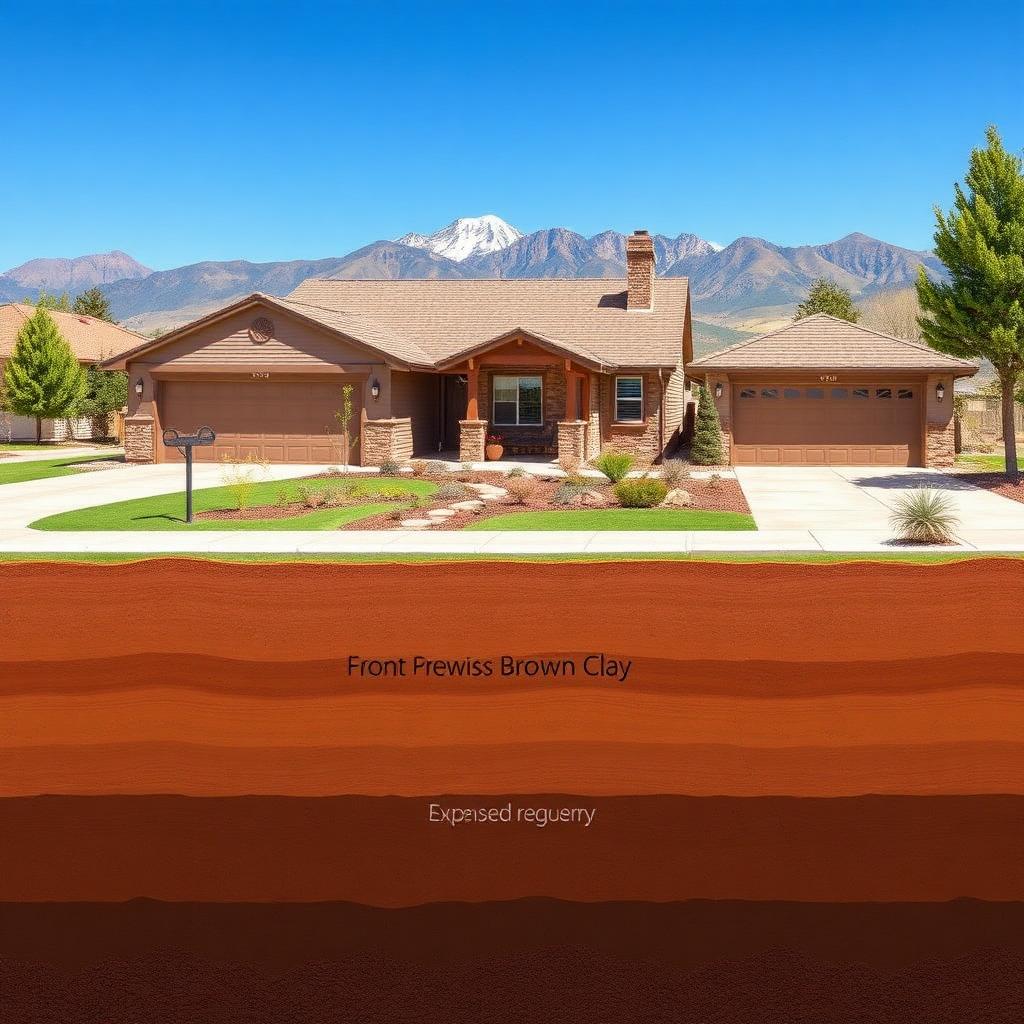
How Albuquerque' Expansive Clay Soil Affects More Than Just Concrete
Expansive clay soil influences much more than driveways and sidewalks. Learn how it affects drainage, landscaping, fences, and other parts of a Albuquerque property.
Free 44-Page Homeowner Guide
Understand common causes of sinking concrete, project pricing ranges, repair versus replacement, contractor questions, and Albuquerque-specific concrete concerns.
We're here to help
Not every concrete problem requires an on-site visit.
Many questions can be answered with a quick phone call, helping you understand your options before scheduling an evaluation. Sometimes a quick conversation is all it takes to point you in the right direction.
If an on-site visit is needed, we'll help arrange it.
No pressure. No obligation. Just honest answers and the right solution for your property.
Whether you need answers, have questions, or are ready for an estimate, we're here to help. Give us a call or send us a quick message — we'd be happy to assist.
Learn the warning signs of a sinking garage floor in Albuquerque, what causes garage slab settlement, and when garage floor leveling may be better than replacement.
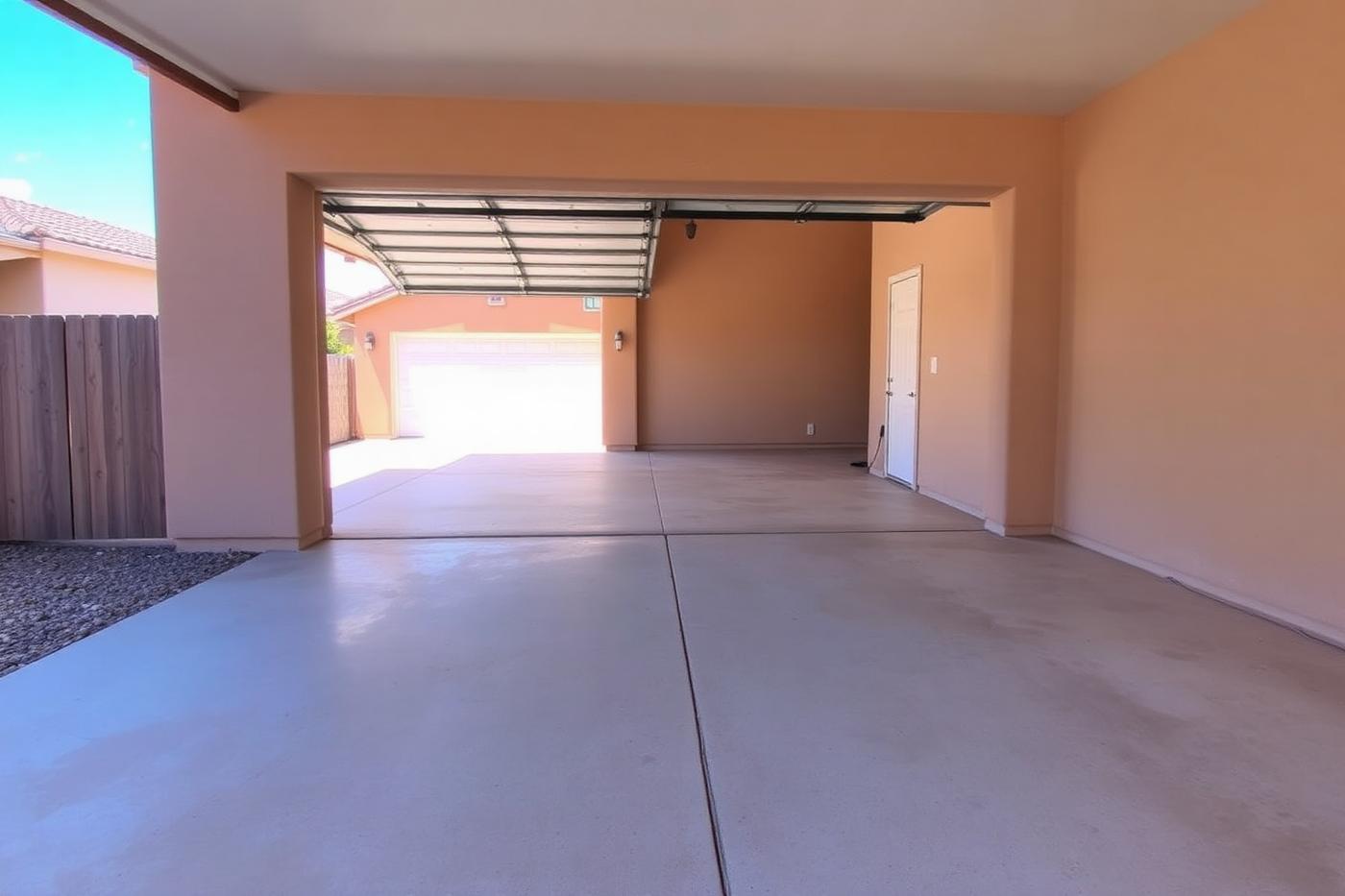
A garage floor is supposed to feel like the most solid part of a home. It's the surface you drive on, walk on, store tools on, and use every single day without thinking much about it. So when the slab starts to sink, crack, or drift away from the rest of the house, it can catch homeowners off guard.
In Albuquerque, a sinking garage floor is not something to ignore. Local soil movement, drainage problems, irrigation leaks, and seasonal temperature swings can all contribute to settlement under the slab. Sometimes the problem shows up slowly. Other times, homeowners notice it only after a crack becomes obvious or the garage door starts sticking.
The good news is that a sinking garage floor does not always mean the whole garage needs to be torn out and replaced. In many cases, the slab can be lifted and stabilized with garage floor leveling, which is often faster, cleaner, and less disruptive than demolition.
Garage floors are usually poured as slabs-on-grade, which means they depend on the soil beneath them for support. If that soil loses strength, shifts, washes away, or compacts over time, the concrete above it can start to settle.
In Albuquerque, a few common conditions can make this happen:
Once support is lost, the concrete has nowhere to go but down. That is when you start to see uneven spots, cracks, or gaps that weren't there before. For more on the underlying causes, see why concrete sinks in Albuquerque.
A sinking garage floor does not always look dramatic at first. Sometimes the clues are subtle. Other times, they are hard to miss.
Watch for these warning signs:
If you see more than one of these symptoms, the slab is likely moving for a reason. That does not always mean the garage is structurally failing, but it does mean the slab should be evaluated before the settlement gets worse.
A sinking garage floor is more than a cosmetic issue. It can create practical problems and, in some cases, safety concerns.
An uneven slab can:
If the sinking is left alone long enough, small repair options may turn into larger ones. That is why catching the problem early matters.
Concrete leveling is often a smart solution when the slab is still in decent shape but has settled or lost support underneath.
Garage floor leveling is often a good option when:
In many cases, the repair process can lift the sunken slab back closer to its original position and fill the void beneath it so the floor has support again.
That said, leveling is not the right answer for every situation. If the concrete is shattered, severely broken, or so damaged that lift would not hold, replacement may be the better long-term choice. A good contractor should tell you that honestly. See concrete leveling vs replacement.
Garage floor leveling is designed to be minimally disruptive compared with tear-out and repour.
A typical repair may involve:
For many homeowners, the biggest advantage is that the existing slab stays in place. That means less demolition, less mess, and usually less downtime than replacement. Learn more about how the method compares to older approaches in polyurethane foam vs mudjacking.
The answer depends on the cause.
If the slab settled because of an isolated void, drainage issue, or soil compaction problem, leveling can provide a long-lasting repair. But if the underlying issue is not addressed, the slab may move again later.
That is why the best garage floor repair is not just about lifting the concrete. It is also about understanding why the slab moved in the first place.
A solid evaluation should look at:
If your garage floor looks uneven, the safest next step is to get it checked before the crack pattern spreads or the slope gets worse. A quick inspection can help you understand whether the problem is minor, moderate, or a sign of something bigger.
You should also pay attention to whether the concrete is just uneven or whether it is breaking apart. That distinction matters. A slab that has settled may be a good leveling candidate. A slab that is badly damaged may need a different approach.
The key is not to wait until the trip hazard becomes obvious to everyone who walks past it. Garage floor problems usually give warning signs first. Those signs are your chance to fix the issue before it gets worse.
A sinking garage floor does not automatically mean a major rebuild. In many cases, it is a repairable concrete settlement problem with a straightforward solution.
If your garage floor is cracked, sloping, or pulling away from the rest of the slab, the smartest move is to have it evaluated early. That gives you a better chance of choosing the least disruptive repair and avoiding bigger issues later.
To schedule a free on-site inspection in Albuquerque, request a free estimate or call (505) 388-0089.
Think Your Concrete May Qualify for Lifting?
Free on-site inspection · Fixed written quote · No obligation
Related services
Get a local estimate
Keep reading
Expansive clay soil influences much more than driveways and sidewalks. Learn how it affects drainage, landscaping, fences, and other parts of a Albuquerque property.
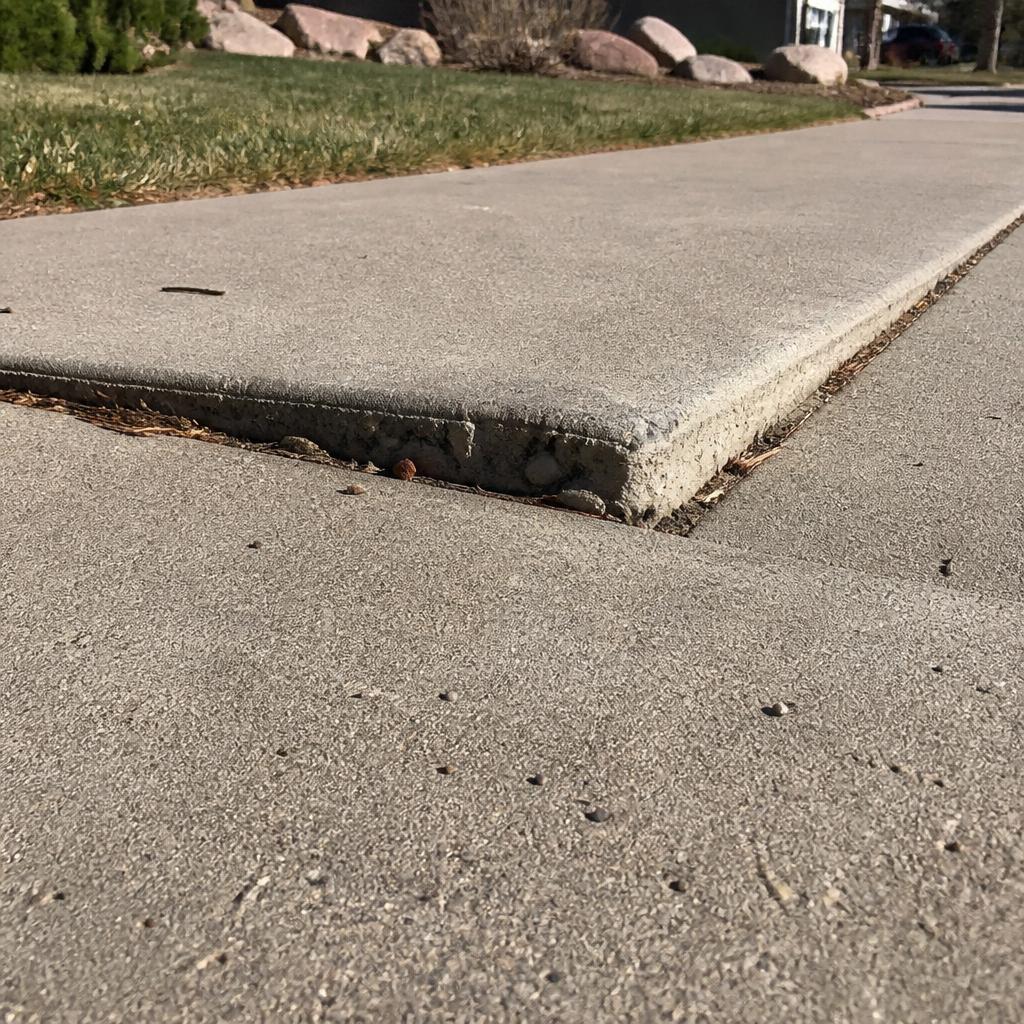
Wondering if your concrete needs leveling? Learn the seven most common warning signs Albuquerque homeowners should watch for before uneven concrete becomes a larger problem.
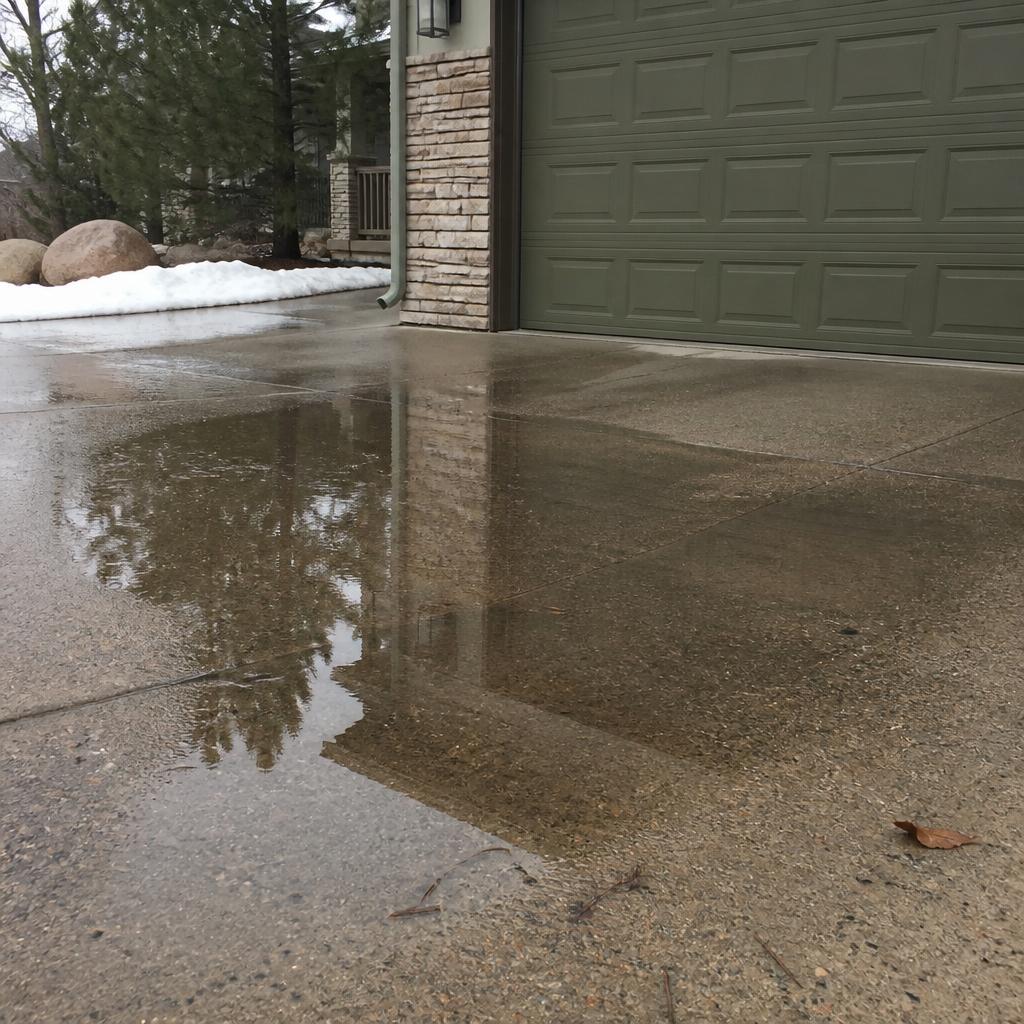
Does water collect on your driveway after it rains? Learn why standing water develops, what it may indicate about your concrete, and when concrete leveling may help restore proper drainage.
Have questions about your concrete? Need advice? Want a free estimate? We're here to help. Concrete leveling saves the slab you already have, at a fraction of the cost of replacement.
Free Estimates · Albuquerque-Focused Service · Clear Recommendations