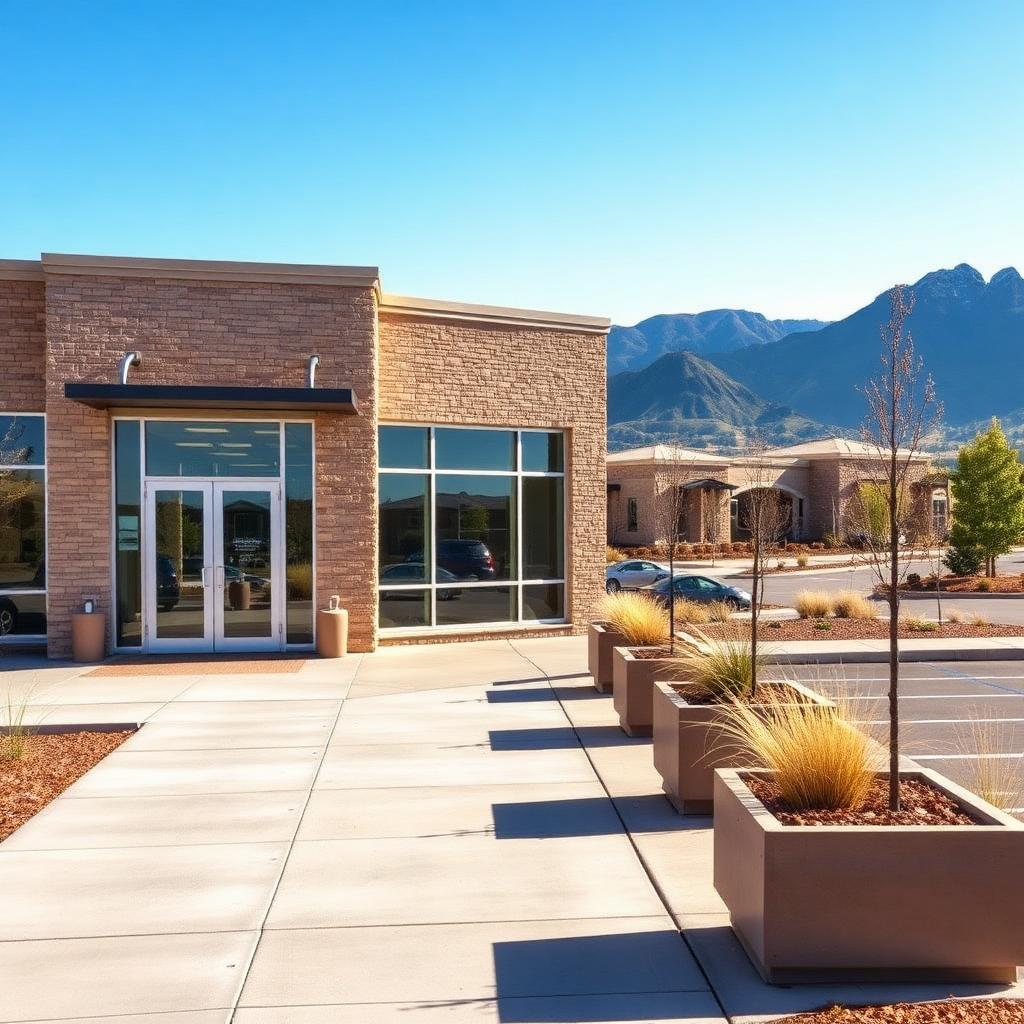
Learn how commercial concrete leveling works in Albuquerque, what problems it solves, and when it may be better than full replacement for sidewalks, entrances, and warehouse slabs.
A Property Manager's Guide to Commercial Concrete Leveling in Albuquerque
When concrete settles at a commercial property, it is not just a maintenance issue. It can affect safety, appearance, accessibility, and the way the property functions day to day. A sunken sidewalk at a storefront, a tilted entry pad at an office building, or an uneven warehouse floor can all create problems that go beyond the surface.
In Albuquerque, commercial concrete settlement happens for many of the same reasons residential slabs move. Soil shifts. Water finds weak spots. Drainage pushes moisture where it should not go. Over time, the slab loses support and starts to sink.
For property managers, business owners, and facility supervisors, the big question is usually whether the concrete can be repaired without full replacement. In many cases, commercial concrete leveling is the better choice because it restores the slab faster, with less downtime and less disruption.
Why Commercial Concrete Sinks
Commercial concrete is often exposed to heavier use than residential slabs. Foot traffic, carts, vehicles, deliveries, and repeated loading all put stress on the surface and the soil below it. If the support underneath starts to fail, settlement can happen quickly.
Common causes include:
- Poorly compacted soil during original construction.
- Water washing away support beneath the slab.
- Drainage that sends runoff toward the concrete.
- Plumbing, irrigation, or utility leaks.
- Repeated wet and dry cycles that weaken the subgrade.
- Freeze-thaw movement in colder months.
- Heavy loads on areas that were not built for the stress they carry.
In Albuquerque, those causes can combine in ways that make commercial concrete especially vulnerable. A walkway might settle near a downspout. A loading area might dip where water collects. A warehouse floor might lose support where the fill soil settled over time. See why concrete sinks in Albuquerque for more background.
Common Commercial Concrete Problems
Commercial properties can show concrete settlement in a lot of different ways.
The most common issues include:
- Uneven sidewalks.
- Sunken entryways.
- Trip hazards at transitions or joints.
- Tilted curb ramps.
- Slabs that drain water toward a building instead of away from it.
- Warehouse floor dips or low spots.
- Settled loading areas.
- Cracks that widen as the slab moves.
- Sunken concrete around utility access points or equipment pads.
These issues matter because they can interrupt operations and create liability concerns. A sidewalk trip hazard outside a business can affect customers. An uneven entry pad can make access more difficult. A warehouse floor that settles in the wrong spot can affect equipment movement, racking, or drainage.
The more traffic a surface sees, the more important it is to keep that concrete stable.
Why Commercial Concrete Leveling Matters
Commercial concrete leveling is not just about making the surface look better. It is about keeping the property safe and functional.
Uneven concrete can:
- Create trip hazards for employees, customers, and visitors.
- Make entrances less accessible.
- Interfere with carts, pallets, and equipment movement.
- Cause water to pool where it should drain away.
- Lead to more cracking and slab movement over time.
- Make the property appear poorly maintained.
For property managers, those issues can become expensive if they are ignored. A small sunken slab today may lead to a bigger repair later, especially if drainage continues to undermine the same area.
When Leveling Is the Better Option
Commercial concrete leveling is often the right choice when the slab is still structurally sound but has settled or lost support beneath it.
It may be a good fit when:
- The concrete is uneven but not badly broken.
- The problem is caused by soil loss or voids below the slab.
- You want a repair with less downtime than replacement.
- You need to restore a safe walking or working surface.
- The slab can be lifted without a full tear-out.
Leveling is especially useful when the property needs to stay open or functioning. Many commercial projects cannot afford long closures, major demolition, or the disruption that comes with tearing out and repouring entire sections of concrete.
When Replacement May Be Necessary
Not every slab can be saved. Some commercial concrete has simply reached a point where replacement makes more sense.
Replacement may be the better choice if:
- The slab is severely cracked or crumbling.
- The concrete has broken apart in multiple places.
- The settlement is too extreme for a stable lift.
- The layout no longer works for the property.
- The surface has structural damage beyond the settlement itself.
A good contractor should not push leveling when the concrete is too far gone. See concrete leveling vs replacement.
How Commercial Concrete Leveling Works
Commercial leveling restores support under the slab and lifts the concrete back toward its proper position.
A typical process may include:
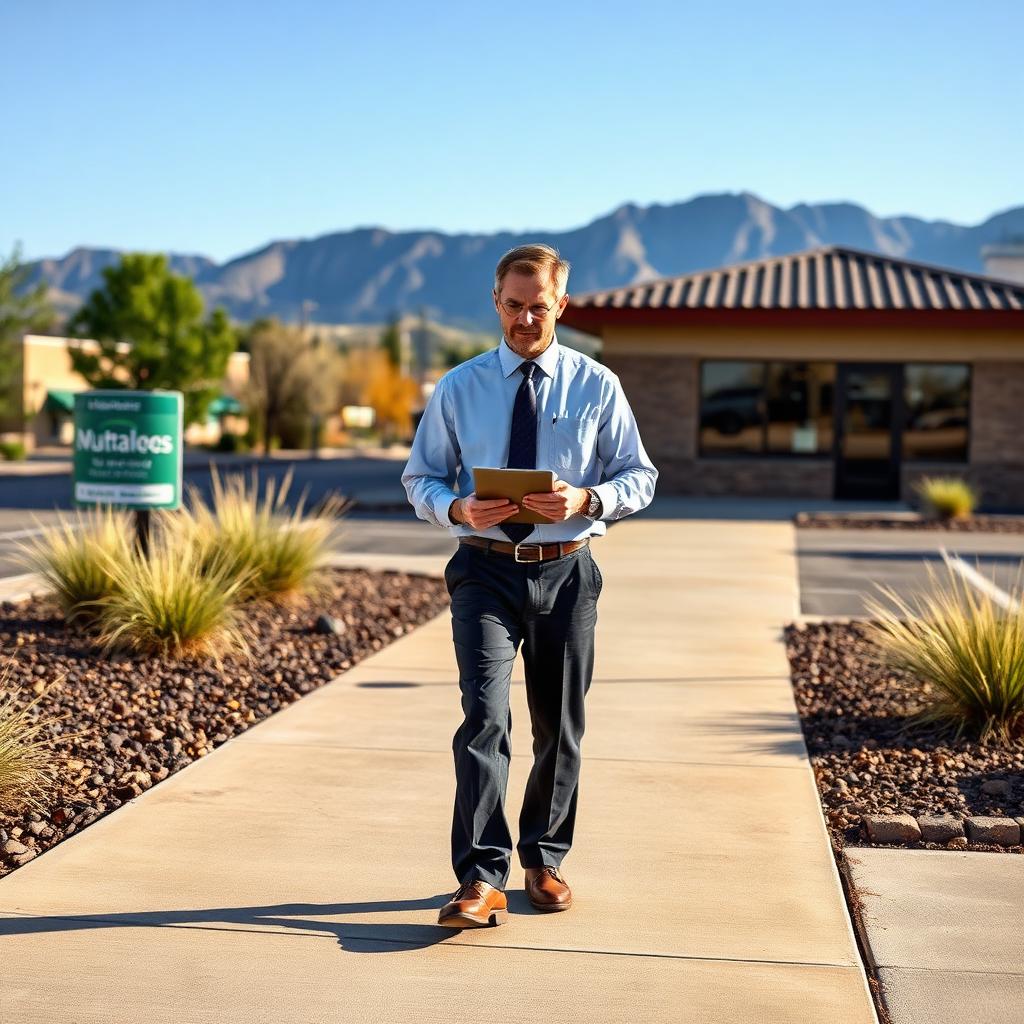
- Inspecting the slab and identifying the settlement pattern.
- Looking at drainage, moisture, and use conditions.
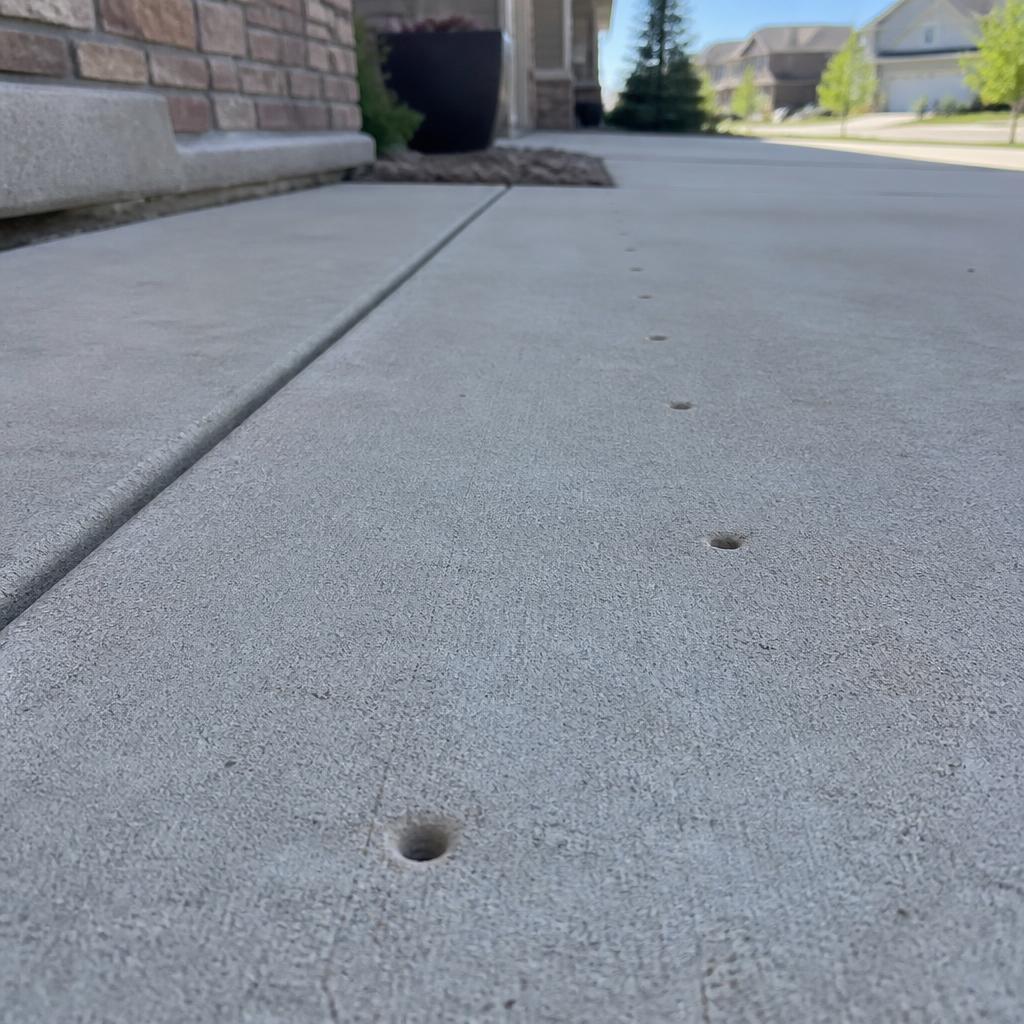
- Drilling small access points in the affected section.
- Injecting a lifting material beneath the concrete.
- Raising the slab carefully and checking grade, slope, and transitions.
- Sealing the access points and confirming the surface is usable.
The exact approach depends on the slab, the site, and the type of use the property sees. See polyurethane foam vs mudjacking for method details.
Common Commercial Areas That Benefit From Leveling
- Retail sidewalks and storefront entries.
- Office building walkways.
- Apartment and HOA common areas.
- Warehouse floors.
- Loading areas.
- Entry pads.
- ADA routes and ramps.
- Curbs and transitions.
- Service areas and equipment pads.
Why Albuquerque Commercial Properties Are Vulnerable
Albuquerque's climate creates real conditions that can affect commercial slabs. Long dry periods can shrink soil and leave voids under concrete. Heavy rain or runoff can wash away support. Temperature swings can make cracks worse. Irrigation systems or nearby drainage can keep one area wetter than another, which causes uneven movement over time.
If a commercial property has recurring drainage issues, concrete settlement can keep coming back unless the underlying cause is addressed.
How Property Managers Can Help Prevent Future Settlement
- Making sure downspouts and drainage systems move water away from slabs.
- Checking for irrigation overspray near walkways or pads.
- Watching for recurring low spots after heavy rain.
- Repairing cracks before water gets underneath.
- Keeping gutters and drainage features clear.
- Monitoring areas with heavy loading or repeated traffic.
What to Do When You Notice Uneven Commercial Concrete
If you see a sunken walkway, a tilted entrance, or a slab that no longer drains correctly, it is smart to evaluate the problem sooner rather than later. Commercial concrete problems often become more expensive once they start affecting accessibility, safety, or operations.
The first question is usually whether the slab is a candidate for leveling. If the concrete is still sound, leveling can often solve the problem without tearing everything out. If the slab is badly damaged, replacement may be the smarter option.
Final Thought on Commercial Concrete Leveling in Albuquerque
Commercial concrete settlement is common, but it does not have to turn into a major disruption. In Albuquerque, commercial concrete leveling is often a practical way to restore sidewalks, entries, warehouse floors, and other commercial slabs without the cost and downtime of replacement.
If your property has uneven concrete, a trip hazard, or a slab that has started to settle, request a free estimate or call (505) 388-0089.